
Last updated November 23, 2026
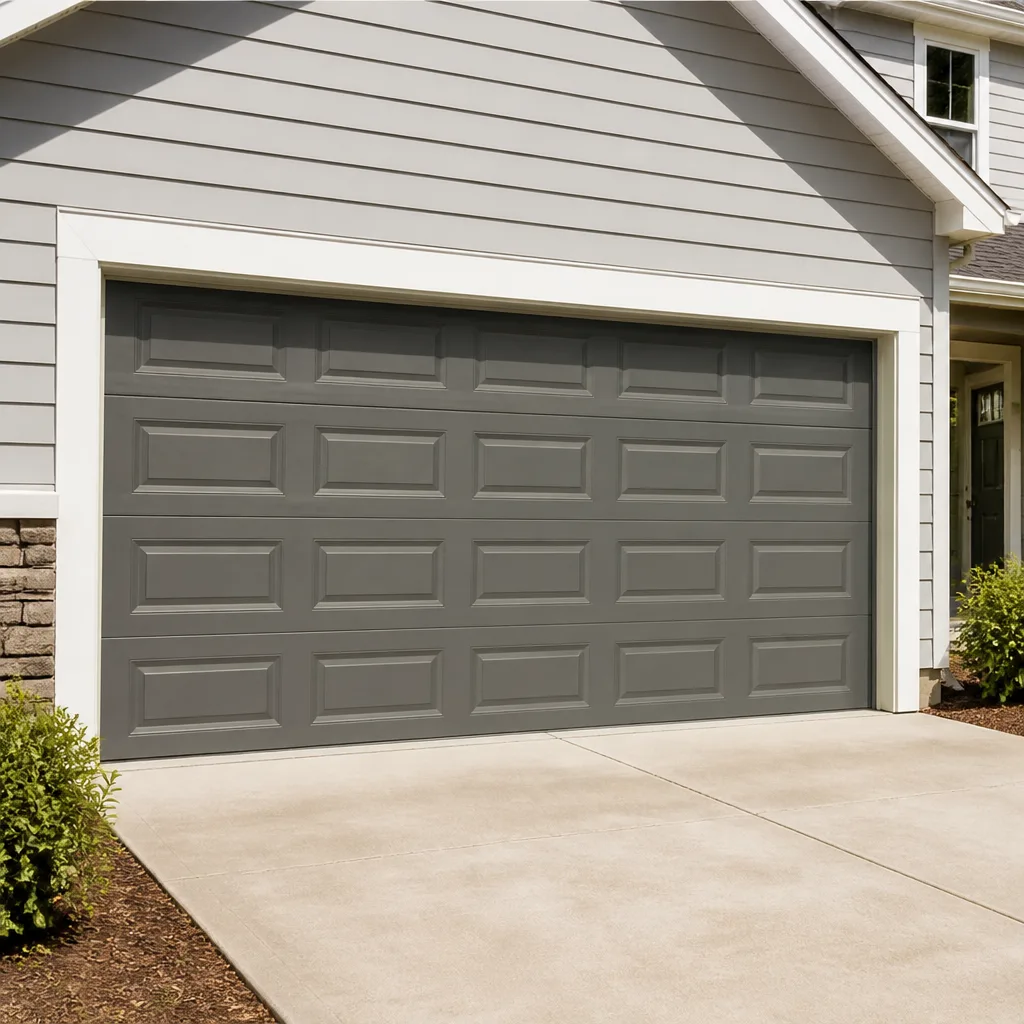 Raised-panel steel
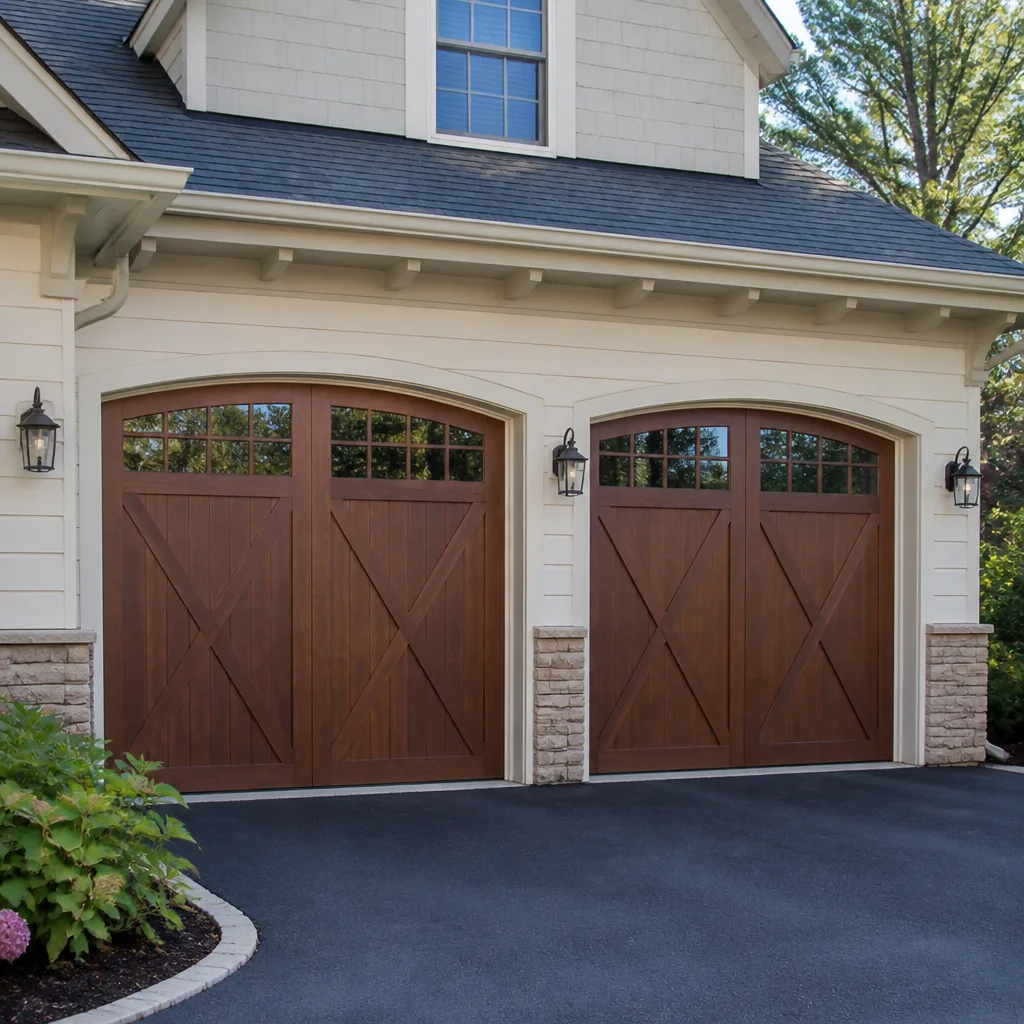 Carriage house
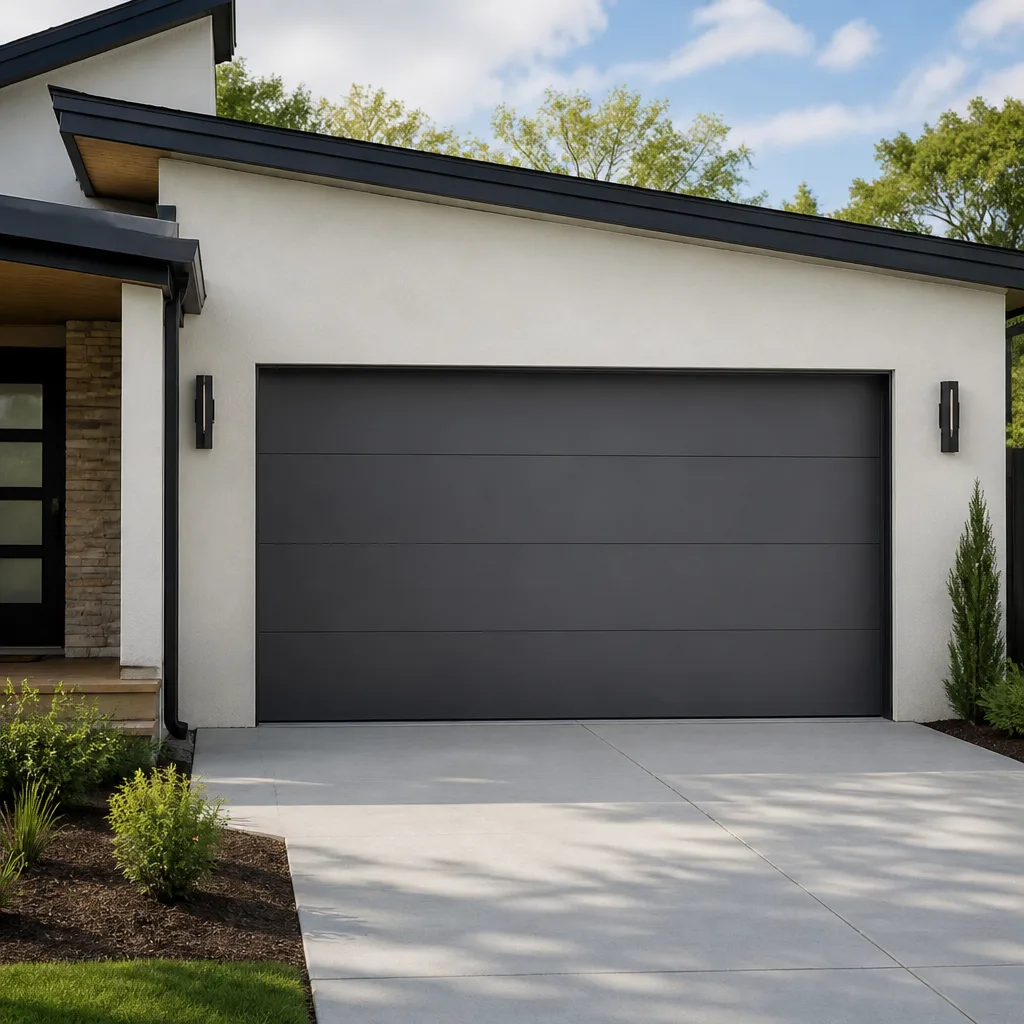 Modern flush
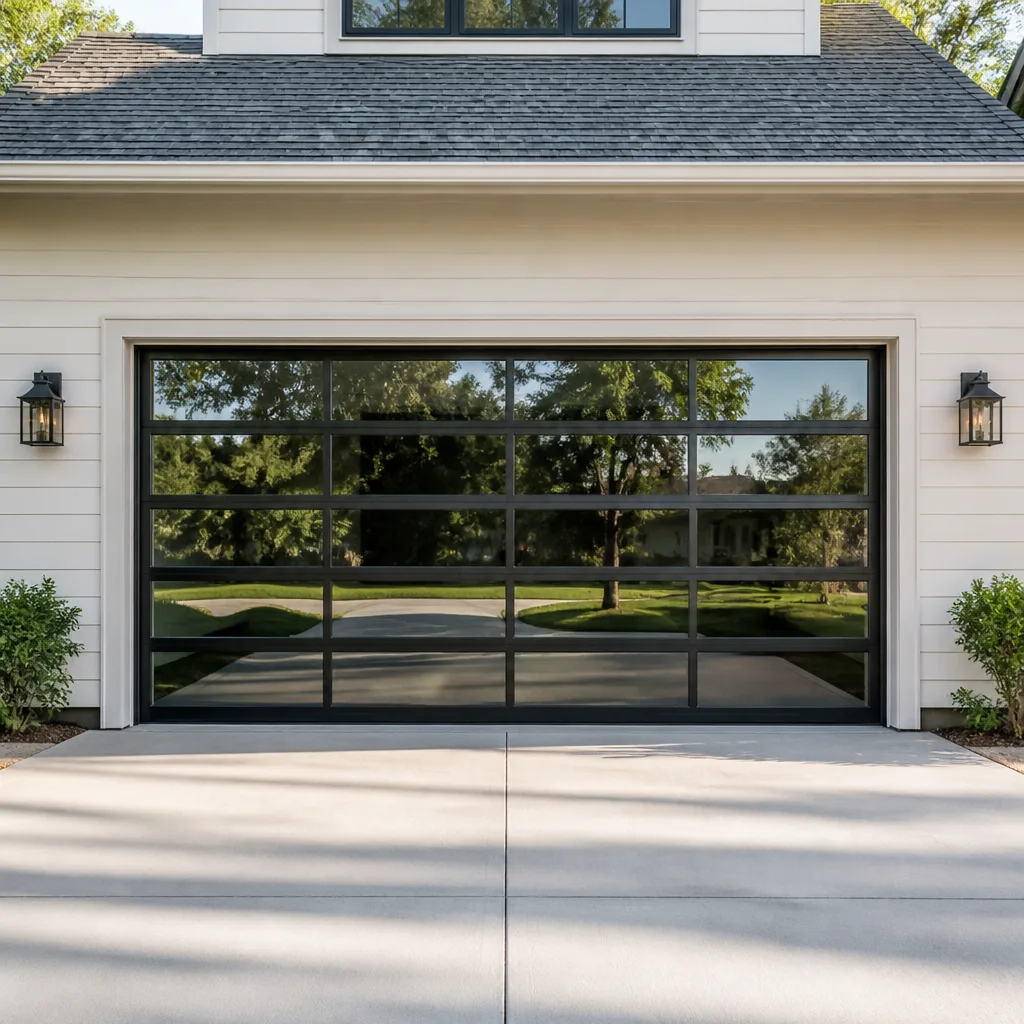 Full-view glass
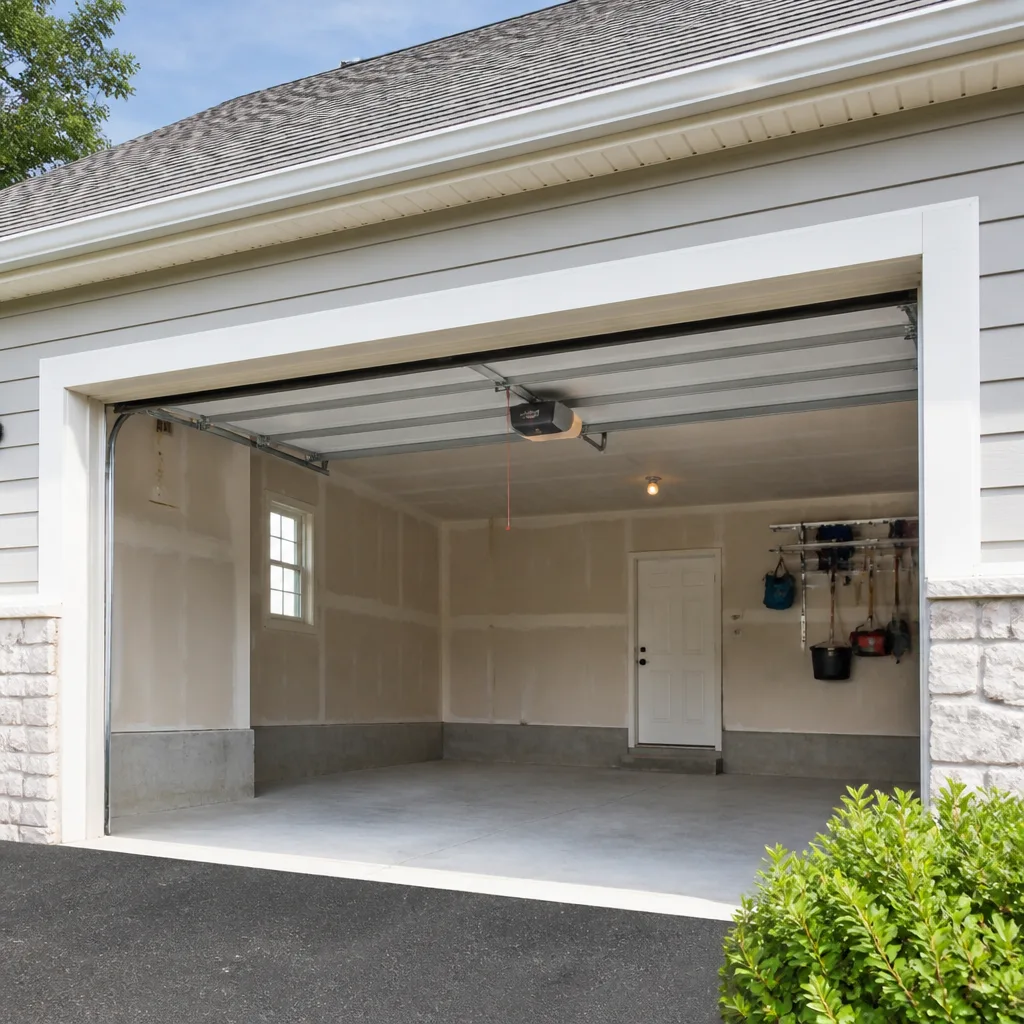 LiftMaster openers
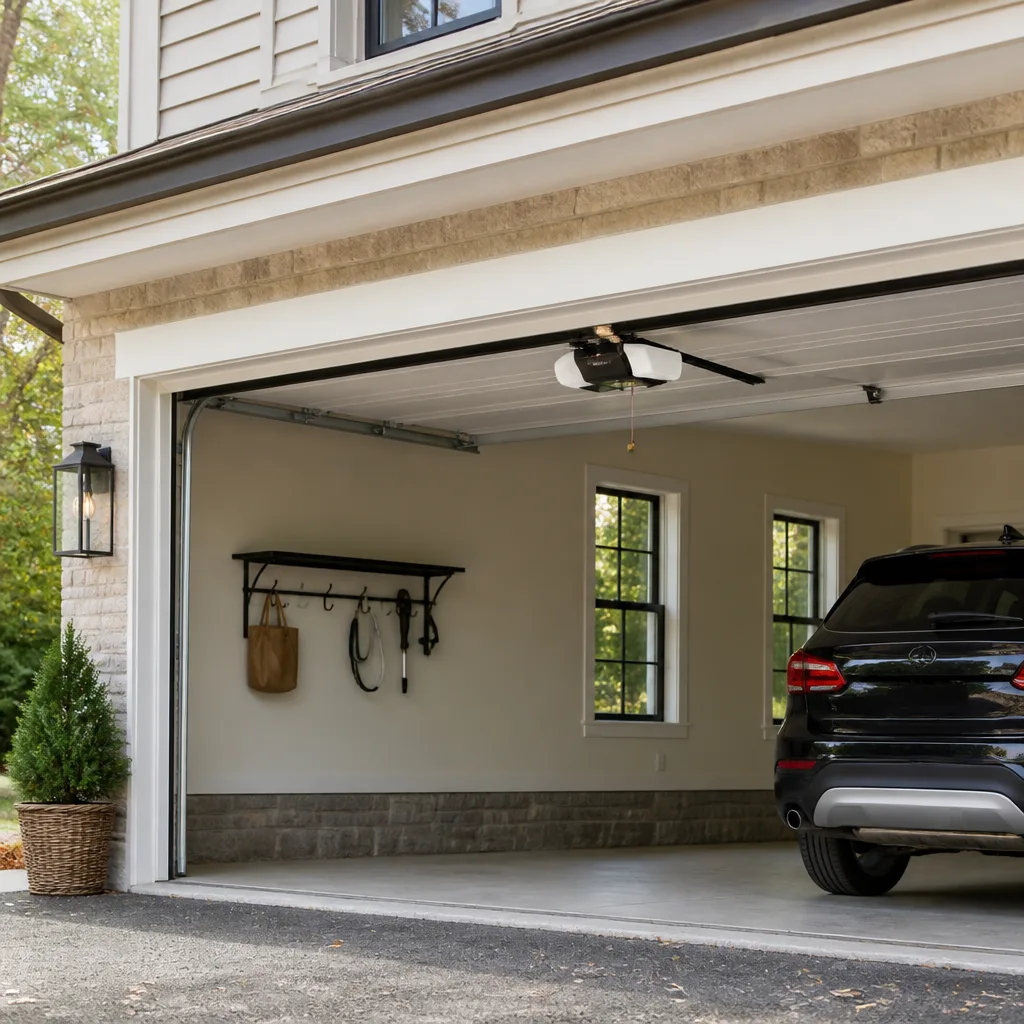 Chamberlain openers
Full 25-point door and opener safety check with every visit - springs, cables, rollers, tracks, and your LiftMaster or Chamberlain opener included
You get a price before we start. It does not change when the pro arrives.
Get your free estimateSeasonal Garage Door Care for Bensalem: Year-Round Homeowner’s Guide
Spring isn’t the most dangerous season for garage doors in Bensalem. Late October is. The first hard temperature drop of the year hits torsion springs that spent all summer expanding in the heat, and that sudden tension mismatch is what snaps springs in a narrow window each fall. Most homeowners treat garage door care as a light spring cleaning task. In reality, each season here loads a different part of the door with stress, and the damage compounds when nothing gets checked between them. This guide walks through what each season actually does to your door, what to inspect before the trouble hits, and a month-by-month calendar built for Bensalem’s climate.
Quick Answer
The highest-risk season for garage door failures in Bensalem is fall, specifically the two or three weeks when temperatures drop quickly and metal springs that stretched all summer lose tension fast. Check your door in October before the cold sets in, keep the bottom seal from freezing to the slab in winter, tighten loose track brackets after the last freeze in spring, and recalibrate opener sensitivity in humid summer months. Year-round care in Bensalem means working with the seasonal cycle, not against it.
Styles & brands we work with
- Raised-panel steel
- Carriage house
- Modern flush
- Full-view glass
- LiftMaster openers
- Chamberlain openers
Table of Contents
- Why Seasonal Care Matters in Bensalem
- Fall: The Highest-Risk Season for Spring Failures
- Winter: Keeping the Bottom Seal From Freezing to the Slab
- Spring: Checking Hardware After Freeze-Thaw Cycles
- Summer: Humidity, Material Movement, and Opener Recalibration
- Month-by-Month Action Calendar for Bensalem
- Common Mistakes to Avoid
- When to Call a Professional
Why Seasonal Care Matters in Bensalem
Bensalem sits in Bucks County, right where the Atlantic influence softens a bit but doesn’t erase the continental temperature swings that define southeastern Pennsylvania. That means real summers with humidity thick enough to fog a windshield in the morning, and real winters where the ground freezes and thaws repeatedly. The garage door sits in the middle of that cycle, moving up and down a few times a day through every one of those swings.
No other part of your house takes this specific beating. The door is metal, or steel with a wood core, or full wood on some of the older homes around Bensalem. It’s attached to your house on one side and exposed to outside air on the other. It carries hundreds of pounds of spring tension that changes with temperature. And it cycles open and closed far more often than any window or exterior door.
A garage door in a stable climate sees most of its wear from simple use. A garage door in Bensalem sees wear from use plus thermal expansion, freeze-thaw cycles, and humidity swings. Those add up. The good news is that a handful of well-timed checks each year keep the door ahead of the curve instead of waiting for it to fail on a morning when you’re already running late.
What “seasonal care” actually means
Seasonal care isn’t a checklist of the same things repeated four times a year. It’s a small number of specific tasks that fit what the weather is doing to the door right now. Fall is about spring tension. Winter is about seals and the slab. Spring is about hardware that shook loose. Summer is about humidity and calibration. Different season, different job.
Fall: The Highest-Risk Season for Spring Failures
Fall is the season homeowners call us about most, and it’s not because of leaves. It’s because of the temperature drop. Torsion springs and extension springs both work by holding tension, and metal behaves differently depending on how warm it is. Through July and August, a spring in a Bensalem garage is working in the heat, and it relaxes into that state. When the first real cold front rolls through in late October and the temperature falls hard, the spring contracts faster than the door mechanism compensates for. That’s when a spring that looked fine last week snaps.
We’ve seen this pattern enough times that we plan for it. The two-week window around the first hard frost is when a large proportion of the spring failures we get called for happen. It’s not a coincidence. The door is doing exactly what physics says it will.
What to check before the first cold snap
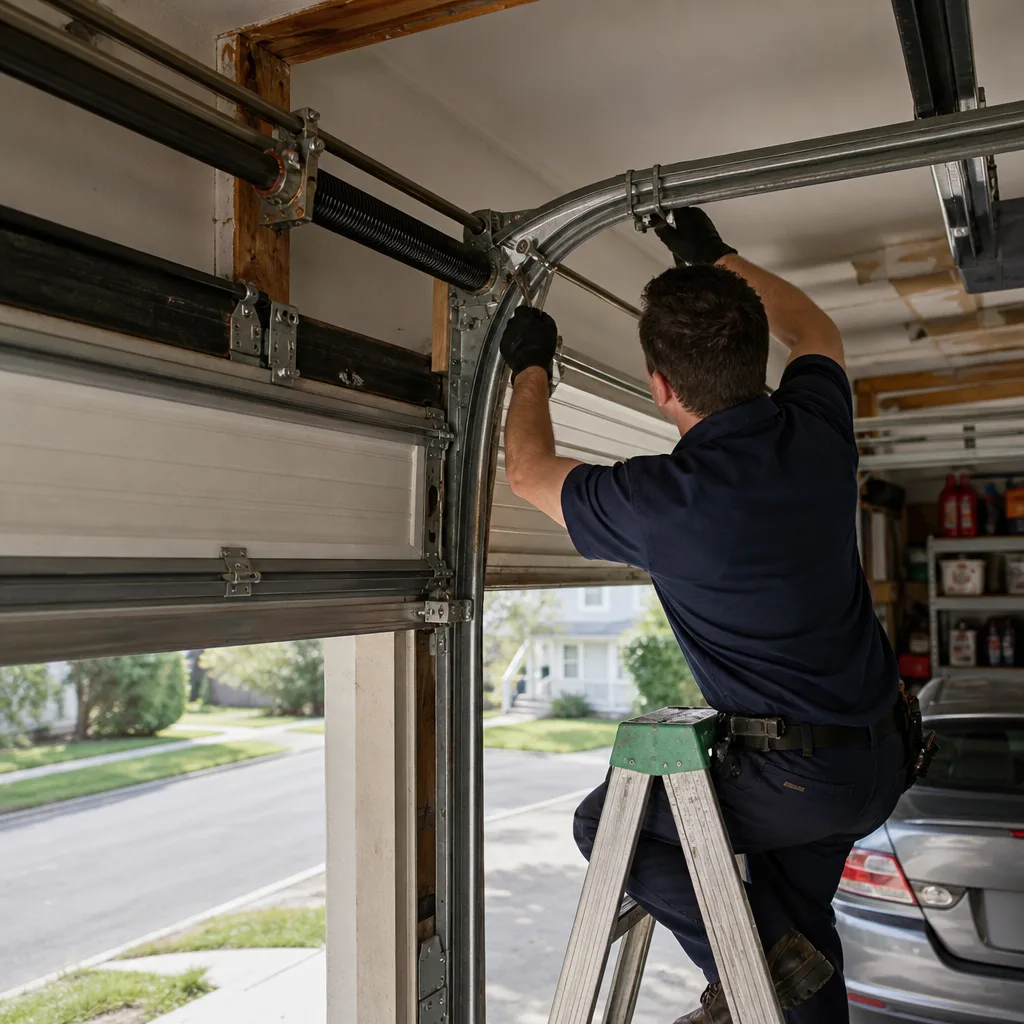
- Look at the springs. On a torsion setup, the springs are the horizontal coils on the shaft above the door. On an extension setup, they run alongside the tracks. Look for visible gaps, stretched sections, or a spring that looks different from the other one in a pair.
- Listen to the door. A door that’s started to creak or groan more than it did in September is telling you the tension is changing.
- Test the balance. Disconnect the opener (pull the red release handle) and lift the door halfway by hand. If it won’t stay put, the spring balance is off.
- Check the opener force setting. A door that starts reversing on its own in the fall is often sensing extra resistance from a spring that’s out of adjustment.
- Look at the bottom seal. A worn seal will let cold air in all winter and put more strain on the whole door.
Why you shouldn’t adjust springs yourself
Here’s the part that matters most. Spring repair is high-stakes work. Torsion springs are under hundreds of pounds of tension, and if the wrong winding bar slips or the wrong tool is used, the spring can unwind violently in a fraction of a second. This is the single most dangerous repair on a residential garage door, and it’s not a homeowner task even for someone who’s handy. If you suspect a spring problem in fall, treat a garage door spring repair call to a trained technician as the safe move, not an upcharge. The right fix in October is far cheaper than the wrong fix any time.
Winter: Keeping the Bottom Seal From Freezing to the Slab
The most common winter garage door problem in Bensalem isn’t a broken spring. It’s a door that won’t open because the rubber bottom seal is frozen to the concrete floor. It happens after a wet snow or an ice storm when meltwater runs under the door, sits on the slab, and refreezes overnight. The next morning the opener pulls, the door resists, and if you keep holding the button, the seal tears off the bottom of the door or the opener strains past its limits.
Preventing this is mostly about keeping water from pooling under the door in the first place. The seal itself has to be in good shape. If the rubber is cracked, stiff, or sitting unevenly, water gets under it more easily and freezes harder.
How to prevent a frozen seal
- Inspect the seal each fall. Run your hand along the bottom from inside the garage. Any cracks, stiffness, or gaps mean the seal is letting moisture under the door.
- Clear snow and ice away from the outside of the door. A small drift against the door is enough to melt, run under the seal, and refreeze.
- Check the slab for low spots. Concrete slabs in older Bensalem garages often slope slightly, and meltwater collects where the slab dips. If water consistently pools under one side, that’s where the seal will freeze first.
- Keep the interior of the garage dry. A wet floor from a car dripping snow or rain all day is what refreezes at night.
- Watch for opener strain. If your opener sounds like it’s working harder in January than it did in November, the seal is a likely cause.
What to do if the seal tears
If you’ve already forced a frozen door open and torn the seal, the door will be drafty and rattly until it’s replaced. Don’t try to glue or staple it back. The bottom seal is what keeps weather, water, and pests out, and a torn seal invites all three in. Have it replaced before the next freeze. It’s a quick job for a professional, and it’s the kind of thing that should be done right rather than patched.
Other winter precautions
Cold weather stiffens lubricant on the rollers and hinges. A door that was quiet in October can start to squeak by December simply because the grease has thickened. Don’t spray extra lubricant on in freezing weather to compensate; the right approach is to have the moving parts serviced before winter. Metal also contracts in cold, so the door panels may sit slightly differently in the frame. If the door feels tighter in January than it did in November, that’s normal, and it’s why you don’t want to force it through anything that feels stuck.
Spring: Checking Hardware After Freeze-Thaw Cycles
By the time March rolls around, the ground under your driveway and around your garage has frozen and thawed dozens of times. Concrete slabs heave slightly with each cycle. Wood framing in older garages expands and contracts. The result is small movements that loosen hardware over the whole winter, and the garage door track is where this shows up most.
Track brackets are bolted to the door frame. Those bolts were tight when they went in, but a season of thermal movement plus the normal vibration of the door cycling open and closed can work them loose. When a bracket loosens, the track shifts, and the door starts to bind against it. You might feel it as a door that sticks in one spot during travel, or hear it as a rhythmic thump.
The spring hardware check
- Look at every bracket. There are brackets at the top of each vertical track, at the bottom, and where the curved track meets the horizontal track. Any that look out of alignment with their neighbors are suspect.
- Check the bolts. Every bolt on those brackets should be snug. Don’t over-tighten; if a bolt spins freely it’s stripped and the bracket needs attention.
- Test door alignment. With the opener disconnected, raise the door halfway and look at the gap between the door edge and the vertical track. The gap should be even on both sides. A door that’s shifted to one side has a track issue.
- Check the rollers. Rollers ride in the track and can wear unevenly. Worn rollers compound any track looseness.
- Check the hinges. Hinge plates between panels can loosen and cause the door to sag or rub.
Why alignment matters more than it seems
A slightly misaligned door puts uneven load on the springs and the opener. This is one of the reasons a door that survived the winter fine starts to visibly strain in spring. A loose track bracket might not look like much, but it’s part of the mechanical system that keeps the door running in a straight line. When alignment slips, the entire system works harder. If you’re not sure whether an alignment problem is minor or significant, a garage door repair inspection in spring is worth the call, because catching alignment drift early is much cheaper than fixing a bent track or a damaged panel later.
Grease and lubrication timing
The other spring task is getting the rollers and hinges re-lubricated after winter. The manufacturer’s recommended lubricant on steel rollers, hinges, and the spring coils themselves is usually enough. Don’t overdo it; too much grease attracts grit that wears the parts faster. Moderate amounts on the right areas do the job.
Summer: Humidity, Material Movement, and Opener Recalibration
Summer in Bensalem brings two things that move a garage door out of the settings it had in spring: high humidity and heat. Both affect wood and steel doors, but not the same way. Understanding the difference tells you what to watch for depending on what your door is made of.
How humidity affects wood and steel doors differently
A full wood door absorbs moisture from the air. Through a Bensalem summer, wood panels can swell slightly, which changes the way they sit in the frame and sometimes makes the door rub against its stiles. A wood-core door with a steel skin resists this better, but the wood core still moves, and a skin that’s bonded unevenly can buckle at the seams. Steel doors don’t swell, but they do expand with heat, and on a hot day the panels can bow very slightly in the middle. That bowing is usually temporary, but it can throw off the door’s balance while it lasts.
The practical takeaway is that a wood door wants watching for swelling at the bottom edge, and a steel door wants watching for any binding that shows up only on hot afternoons. On a Clopay or Amarr steel door, the design is built for the movement, but hinges and springs still have to compensate for it.
Why opener sensitivity needs recalibration in July
Openers have a sensitivity or force setting that determines how much resistance the door can meet before the opener reverses. That setting was probably tuned correctly when the door was installed, but the door itself has changed. In summer the panels are heavier with humidity, the tracks have thermal expansion, and the rollers run at different friction levels. An opener set for October door conditions can start reversing the door in mid-July for no obvious reason. That’s not a failing opener. It’s a door that’s outgrown its settings.
If your opener is on the LiftMaster, Chamberlain, Genie, or Craftsman list, the recalibration is a known procedure. If your door is reversing on its own during hot weeks, a garage door opener repair visit will usually confirm the door’s force balance is off rather than the opener failing, and adjusting the sensitivity solves it.
Other summer checks
- Check the threshold seal. Heat softens rubber, and a bottom seal that’s gone gummy or slick is due for replacement before fall.
- Look for rust on steel doors. Bensalem summers are humid enough that a scratched paint spot on a steel door can start rusting faster than you’d think. Touch it up before fall.
- Watch the door balance. If a door you could lift halfway by hand in April feels heavier in August, the spring tension is drifting.
- Listen for rattles. Loose hardware shows up more in summer because the door is cycling through the widest expansion range of the year.
Month-by-Month Action Calendar for Bensalem
This calendar is written for Bensalem’s climate. It doesn’t work the same way for a door in, say, Florida or Arizona, because those climates don’t have the same stress pattern. Use the month as a prompt, not a rigid schedule. If the weather is running earlier or later than normal, shift the check with it.
- January. Watch for frozen bottom seals after wet snow or ice. Check that no snow is drifting against the outside of the door. If your opener sounds strained, inspect the seal first.
- February. The coldest stretch of the year for Bensalem, when metal contracts hardest. Listen for new noises and check that the door still seals cleanly at the bottom.
- March. The freeze-thaw hardware check. Look at every track bracket, tighten anything visibly loose, and test the door’s alignment with the opener disconnected.
- April. First balance check of the year. With the opener disconnected, lift the door halfway and see if it stays. Re-lubricate rollers and hinges after winter.
- May. Look at the threshold seal and door bottom for winter damage. Check the paint finish on steel doors for small scratches before summer humidity gets at them.
- June. Test the opener’s auto-reverse and force sensitivity. The first humid week often triggers a door that needs recalibration.
- July. Watch wood doors for bottom-edge swelling and steel doors for temporary panel bowing. If the door reverses on its own, get the force setting checked.
- August. Same checks as July. Look at the bottom seal for heat softening. If the door feels heavier than it did in April, spring tension is drifting.
- September. Test the balance again before the temperature starts falling. Look for any early signs of spring fatigue: gaps, uneven tension, or a door that no longer sits flush.
- October. The most important check of the year. Inspect springs carefully for visible changes. Have a spring problem seen by a technician before the first hard freeze.
- November. Post-frost check. If the door still moves smoothly after the first hard cold snap, you’ve made it through the highest-risk window. Look at the seal and the track alignment one more time.
- December. Keep the outside of the door clear of snow and ice. Watch the interior floor for wet spots after storms, since meltwater is what refreezes under the seal.
This calendar doesn’t replace an annual inspection. It’s a way of catching small things before they turn into larger repairs, and it’s specific to what Bensalem weather actually does across the year. A door that gets checked in October and again in March will usually make it through both seasonal stress windows without surprises.
Common Mistakes to Avoid
- Treating fall like a light season. Many homeowners clean up the yard in October but never look at the springs. The first cold snap is when the highest number of Bensalem spring failures happen.
- Forcing a frozen door open. When the opener strains against a frozen bottom seal, keep your hand off the button. If it won’t lift freely, wait for the ice to melt or call for help. Forcing it usually tears the seal.
- Ignoring track bracket looseness in spring. A loose bracket feels like a small rattle. Left alone, it shifts the track and the door starts binding, which then puts stress on the opener and the springs.
- Lubricating in the wrong season with the wrong product. Thick grease applied in summer thickens in winter and makes the door harder to move. The right approach is a regular lubrication cycle with the right product, not a heavy application in the wrong month.
- Assuming the opener needs replacing when the door needs balancing. A door that reverses in July is usually telling you the door has changed, not the opener. A Wayne Dalton or Craftsman opener on a door with drift will behave exactly like a failing one until the door is balanced again.
- Skipping the October spring check because the door “sounds fine.” Springs fail at the weakest point, and a spring that sounds fine right up until it snaps isn’t telling you anything. Look at them, don’t just listen.
- Assuming seasonal adjustments are the same everywhere. A national calendar written for a mild coastal climate won’t match Bensalem’s actual temperature swings. Use the local calendar above.
- DIY spring adjustments. The most common mistake of all. Spring tension is dangerous, and a spring that slips during a DIY adjustment can cause serious injury. Leave spring work to a trained professional.
When to Call a Professional
Some seasonal care is genuinely homeowner work: keeping snow clear, checking that the door moves smoothly, and looking for visible damage. Everything on the spring side of the door is a different matter. If you see a gap in a spring, hear a loud bang from the garage, feel the door suddenly become hard to lift, or watch the door reverse on its own, call a technician.
Other scenarios that warrant a professional call: a door that’s visibly sagged on one side after spring, a track that’s bent or knocked out of alignment, an opener that’s making grinding or clicking noises, or a bottom seal that’s torn after a frozen morning. We work on the actual equipment in your garage across LiftMaster, Chamberlain, Genie, Clopay, Amarr, Wayne Dalton, Craftsman, and Raynor, so if the door in your garage is one of those brands, we already know how it’s built and how it fails. Our technicians have up to 13 years of experience, and the diagnosis is free.
Bensalem Garage Door Repair Pros offers free estimates in Bensalem. Call (855) 633-8567. We answer 24/7. Fast dispatch from 7am to 7pm, Sunday through Friday.
Frequently Asked Questions
Fall, specifically the two or three weeks around the first hard temperature drop in late October, is when the most spring failures happen in Bensalem. Springs that expanded through summer are still under tension, and the sudden cold contracts them faster than the door mechanism compensates for. Inspect your springs in September or early October, before the first cold snap, and call for a check if anything looks off. Call (855) 633-8567 for a free estimate.
Meltwater from snow or ice runs under the door, sits on the concrete slab, and refreezes overnight, bonding the rubber seal to the floor. Preventing it comes down to keeping the outside of the door clear and making sure the seal isn’t cracked. If the seal has torn from being forced open, it needs replacing before the next freeze. Call (855) 633-8567 for a free estimate.
Summer humidity and heat change the door’s weight and the friction in the tracks, and the opener’s force sensitivity gets out of step with those changes. It’s usually a recalibration issue, not an opener failure. A technician can confirm the door’s balance and adjust the opener to match. Call (855) 633-8567 for a free estimate.
No. Torsion and extension springs are under hundreds of pounds of tension, and spring adjustment is the most dangerous repair on a residential garage door. Even homeowners who are otherwise handy shouldn’t attempt it. A trained professional has the tools and the experience to do it safely. Call (855) 633-8567 for a free estimate.
After freeze-thaw cycles loosen hardware, the biggest spring task is checking track brackets, bolts, and door alignment. With the opener disconnected, lift the door halfway and check that the gap between the door and the track is even on both sides. Re-lubricate rollers and hinges after winter. If alignment looks off, have it checked. Call (855) 633-8567 for a free estimate.
Yes. Wood doors absorb summer humidity and can swell at the bottom edge, so watch for rubbing in July and August. Steel doors expand in heat and can bow slightly on hot days, and small paint chips can rust in summer humidity if you don’t touch them up before fall. Steel doors on Clopay and Amarr models are built for the expansion, but hinges and springs still compensate for it. Call (855) 633-8567 for a free estimate.
The Bottom Line
Bensalem’s seasons don’t just change what your garage looks like from the street. They put specific mechanical stress on specific parts of the door, and the parts change with the calendar. Fall is about spring tension and the first cold snap. Winter is about the bottom seal and the slab. Spring is about hardware that froze and thawed loose. Summer is about humidity, panels, and opener recalibration. The month-by-month calendar above keeps the door ahead of all four. A door that’s checked in October and again in March makes it through both seasonal stress windows without surprises. Doors are mechanical systems, and mechanical systems fail at predictable times. Seasonal care in Bensalem means knowing when those moments are and being there before they cause damage.
When something does go wrong, we’re here to help. Bensalem Garage Door Repair Pros handles the full range of services under one roof, from garage door repair and garage door opener repair through garage door spring repair and complete new-door installation. If you’re not sure what your door needs, start with a free estimate. Call (855) 633-8567. We answer 24/7. Fast dispatch from 7am to 7pm, Sunday through Friday. Visit Bensalem Garage Door Repair Pros for the full service list.
Written by the team at Bensalem Garage Door Repair Pros.
See the difference
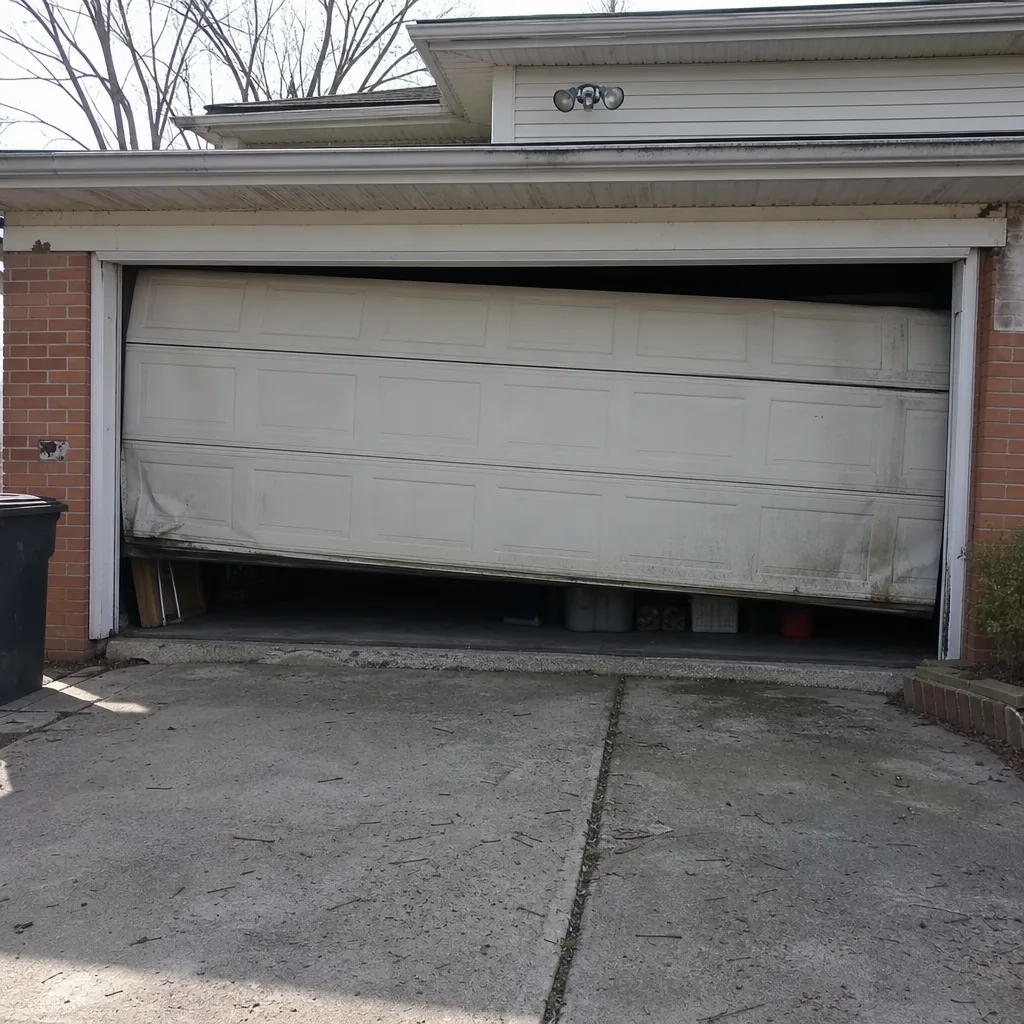 Before
 After
 Before
 After
 Before
 After