
Last updated November 23, 2026
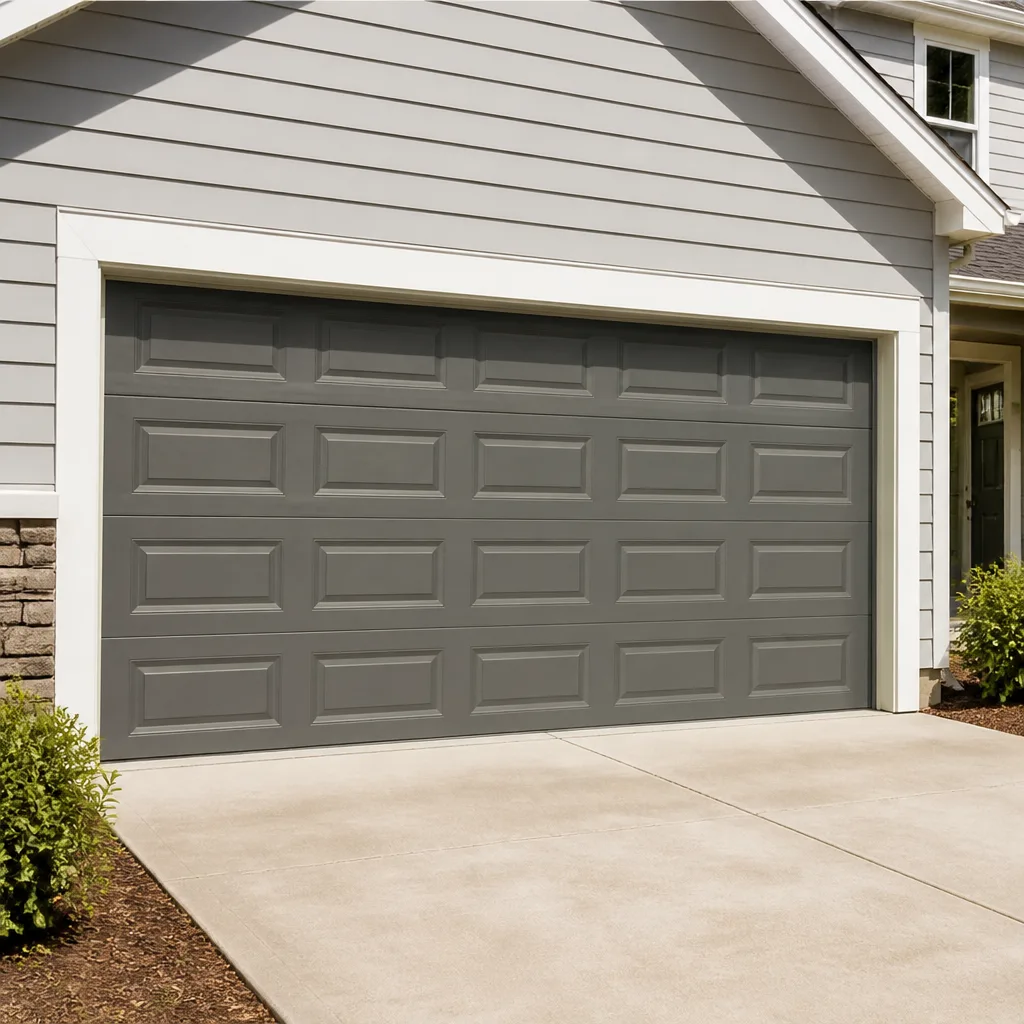 Raised-panel steel
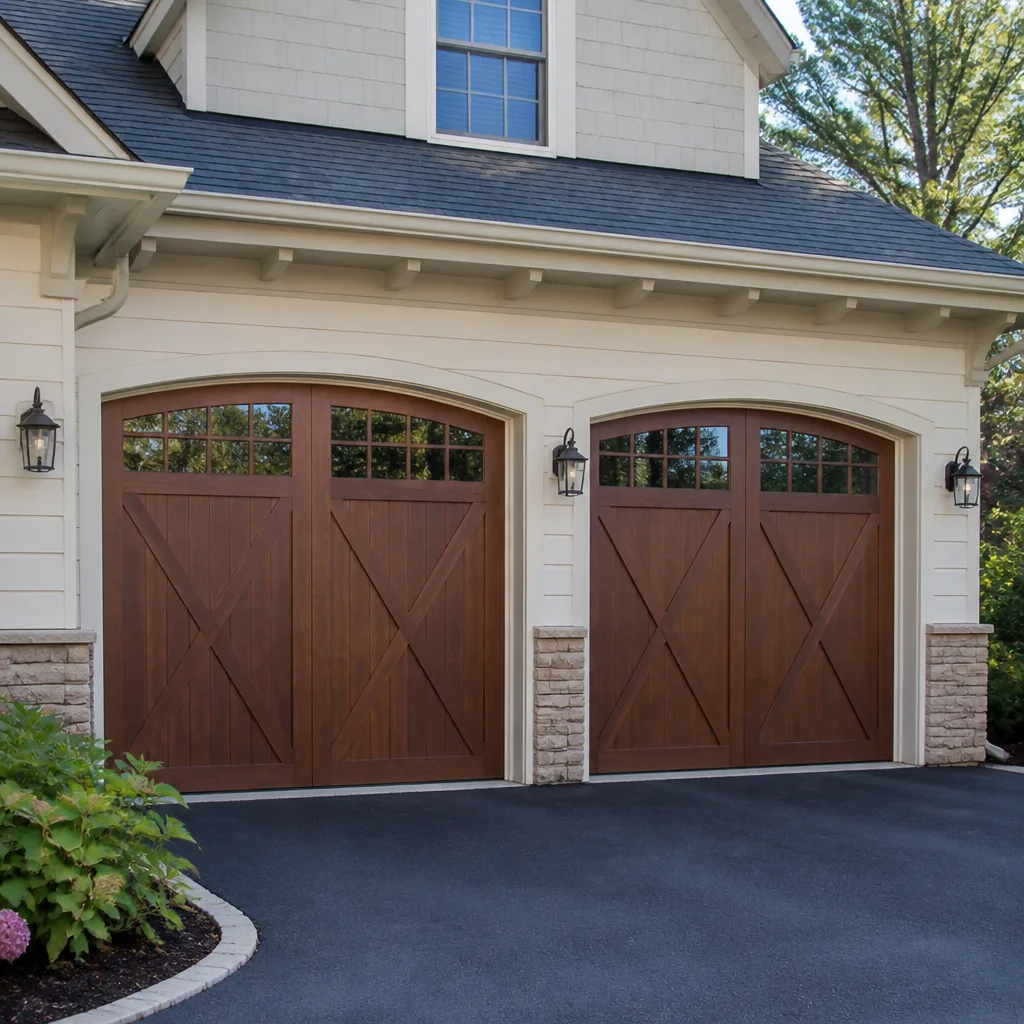 Carriage house
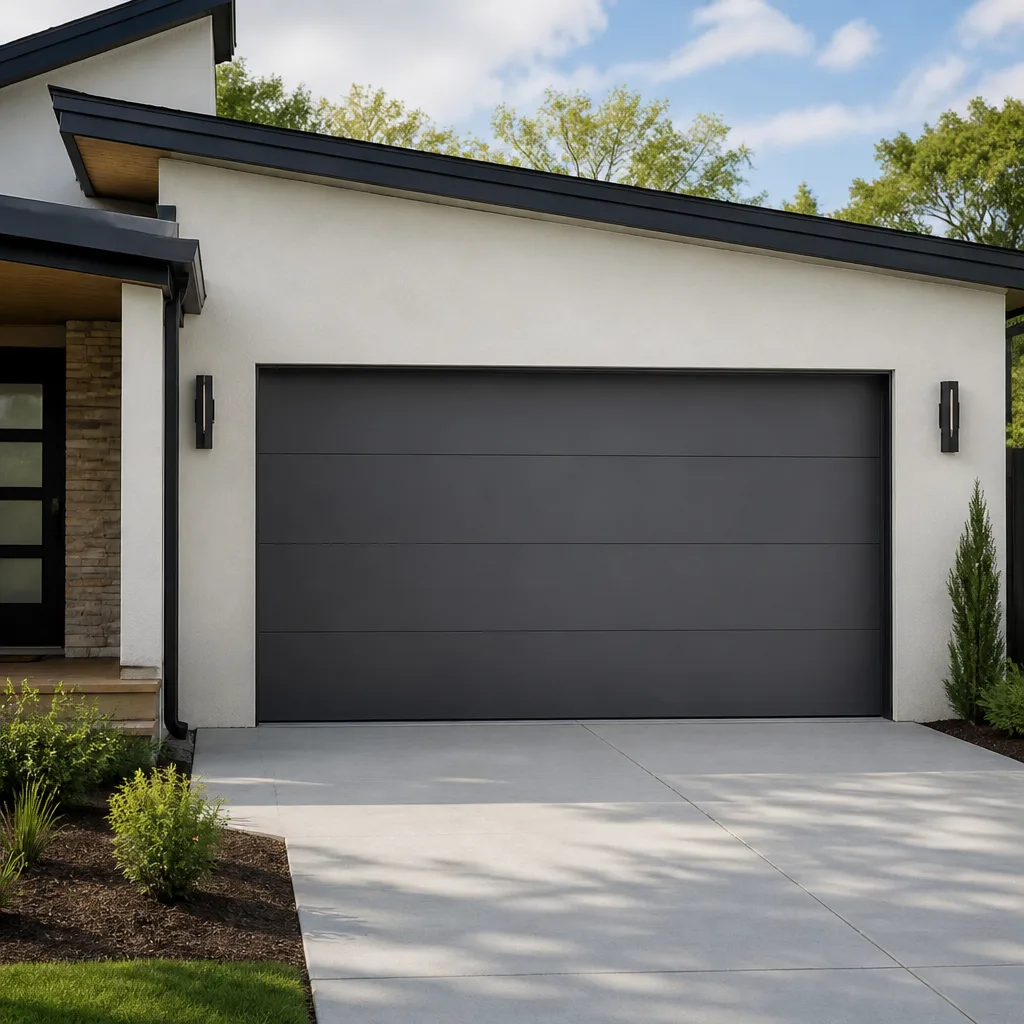 Modern flush
 Full-view glass
 LiftMaster openers
 Chamberlain openers
Full 25-point door and opener safety check with every visit - springs, cables, rollers, tracks, and your LiftMaster or Chamberlain opener included
You get a price before we start. It does not change when the pro arrives.
Get your free estimateGarage Door Repair Maintenance Checklist for Bensalem Homeowners
The number one maintenance mistake Bensalem homeowners make isn’t skipping lubrication. It’s lubricating the wrong parts. Spraying WD-40 on torsion springs is one of the fastest ways to accelerate metal fatigue, and it can void the warranty on hardware from Raynor or LiftMaster. Most checklists tell you to “lubricate moving parts” and call it done. This one doesn’t. We’ll walk through each component of your door, tell you exactly what a healthy part looks, sounds, and feels like, and flag which problems show up faster in Bensalem’s humidity swings. By the end you’ll know what to inspect, what to leave alone, and when a call to a trained technician is the right move.
Quick Answer
A garage door maintenance checklist in Bensalem should cover six components: springs, cables, rollers, tracks, weatherstripping, and the opener. Inspect monthly for unusual sounds or gaps, lubricate hinges and rollers twice a year with a lithium or silicone-based product (never WD-40 on springs), test the balance and auto-reverse function once a month, and schedule a professional tune-up if you spot cable fraying, spring gaps, or panel warping. Pennsylvania’s seasonal humidity swings make wood door panels and weather seals the most failure-prone parts in this region.
Styles & brands we work with
- Raised-panel steel
- Carriage house
- Modern flush
- Full-view glass
- LiftMaster openers
- Chamberlain openers
Table of Contents
- Why Maintenance Matters More Than You Think
- Springs and Cables: What to Check and What to Never Touch
- Rollers and Tracks: The Sound Test
- Weatherstripping and Wood Panels in Bensalem’s Humidity
- The Opener: What to Listen For
- The Right Lubricant for Each Component
- How to Test Balance and Auto-Reverse Safely
- Seasonal Maintenance Schedule for Bensalem
Why Maintenance Matters More Than You Think
Your garage door is the largest moving object in your home. It cycles open and closed several times a day, every day, and each cycle puts tension on springs, wear on rollers, and load on the opener. Small problems compound: a dry roller starts grinding, the grind stresses a hinge, the stressed hinge shifts a track, and suddenly the door is crooked and the opener is straining. A fifteen-minute monthly inspection catches most of these before they become repairs.
Bensalem homes sit in a climate that’s harder on garage doors than most of the country. Summer humidity runs high, winters bring freeze-thaw cycles, and spring and fall flip between damp and dry within days. That cycle is brutal on wood panels, weather seals, and metal hardware. Doors that would last years between tune-ups in a dry climate often need attention twice as often here.
There’s also the safety side. A garage door that’s out of balance or has a failing spring can drop without warning. The auto-reverse system exists for a reason, and it only works if the door and opener are tracking correctly. A door that struggles to close, reverses for no apparent reason, or slams at the bottom is telling you something’s wrong.
If you’re noticing any of these signs and want a professional set of eyes on it, our garage door repair team handles inspections and repairs across Bensalem and the surrounding area. A free estimate tells you what you’re dealing with before you commit to anything.
One more point worth making: maintenance isn’t the same as repair. A tune-up keeps a healthy door running well. It won’t fix a snapped spring or a cracked panel. Knowing the difference saves you money and frustration.
Springs and Cables: What to Check and What to Never Touch
Springs and cables do the heavy lifting on a garage door. A torsion spring sits above the door on a steel shaft and does the work of counterbalancing the door’s weight. Extension springs run alongside the horizontal tracks. Either type is under extreme tension at all times, and both demand respect.
What to check visually:
- Gaps in the torsion spring coil. A healthy torsion spring has tightly wound coils. If you see a visible gap of a quarter-inch or more, the spring is losing tension and about to fail.
- Stretched or worn extension springs. Extension springs should look solid and even. If a spring looks stretched out, has a visible wear patch in the middle, or is hanging loosely, it’s near the end of its life.
- Cable condition. Cables should run clean and straight. Look for frayed strands, kinks, or rust. A frayed cable is a snapped cable waiting to happen.
- Cable drum alignment. The drums at each end of the torsion shaft should have the cable wound evenly. Uneven winding means the door isn’t lifting evenly.
What never to touch: Springs and cables are not homeowner-serviceable. Period. Loosening a torsion spring without the proper winding bars and knowledge is one of the most dangerous things a homeowner can do around a garage door. The tension stored in a wound spring is enough to cause serious injury in an instant. Extension springs can snap violently, and cables under a broken spring can whip.
This is why garage door spring repair is a named specialty for us rather than a task we fold into a general repair quote. Springs are the high-stakes part of the door. Testing balance, checking for gaps, and listening for pops or creaks in the springs are all things you can do safely from the floor. Replacing a spring isn’t.
Our technicians have up to 13 years of experience with torsion and extension systems, and we work on the brand already in your garage. If you’ve got a Raynor torsion system or an older Genie opener paired with a standard extension setup, we know the specific hardware and what fails first on it.
Rollers and Tracks: The Sound Test
Rollers and tracks work together, and their condition shows up in sound before it shows up in motion. A garage door should open and close quietly with a smooth, steady hum. Grinding, squealing, or a rhythmic thumping mean something’s worn.
Rollers: what to check
- Movement. Steel rollers should spin freely on their stems. If a roller is seized or wobbling, it’s dragging across the track and wearing both parts.
- Wear. Nylon rollers develop flat spots and cracks over time. Steel rollers wear thin. If the roller surface looks chipped or the roller wobbles side to side, replace it.
- Bearing noise. A roller that squeaks when spun by hand has a dry or worn bearing.
Tracks: what to check
- Alignment. Both vertical and horizontal tracks should be straight, parallel, and evenly spaced. Stand at the door and look for bends, dents, or sections where the gap between tracks looks uneven.
- Loose hardware. Gently wiggle the track brackets and bolts. Loose bolts let the track shift over time.
- Debris. Tracks fill with leaves, grit, and sometimes small stones. Debris in the track makes rollers ride rough.
- Rust. Surface rust on tracks is common in humid climates. Light surface rust is cosmetic, but pitted rust can affect roller travel.
For homeowners in Bensalem, track alignment is one of the most frequent issues we see walking into a garage. Doors get bumped, tracks get bent, and the door starts binding. If you can see a bend in the track, don’t hammer it back into place. A bent track can create a safety hazard if it’s forced. Call a technician and get it properly aligned.
Routine adjustments and roller replacements usually fall under standard garage door repair. Small maintenance items like these are usually quick jobs, and it’s worth getting them done before a small wobble becomes a bent track and a stuck door.
Weatherstripping and Wood Panels in Bensalem’s Humidity
This is where Bensalem’s climate really changes the maintenance rhythm. Pennsylvania’s humidity swings, from muggy summer weeks to dry winter furnace air, hit wood panels and rubber seals harder than almost any other part of the door.
Why the bottom rail fails first. The bottom rail of a wood garage door sits closest to the ground, where moisture collects. Rain splashes off the driveway, snow melts and refreezes against the seal, and dew settles overnight. Wood absorbs that moisture from the bottom edge and swells. When the air dries out, it shrinks. That repeated cycle causes the panel to cup, warp, or split, and it almost always starts at the bottom rail because that’s where moisture exposure is highest.
How to catch it early:
- Run your hand along the bottom rail of each panel. You’re feeling for texture changes, softness, or roughness that wasn’t there before.
- Look for paint that’s lifting or cracking at the seams. That’s the first sign of moisture under the surface.
- Check the panel edges where sections meet. Gaps that weren’t there six months ago mean the wood is moving.
- Look for daylight at the bottom corners. If you can see light between the door and the floor, the weather seal or the bottom rail has failed.
What a healthy seal looks like. The bottom seal should press firmly against the floor across the entire width. Run a piece of paper under the door and along the floor. If it slides out easily at any point, the seal has a gap. Side and top seals should sit flush against the door frame and jamb with no visible tearing or gaps.
Repairing weatherstripping is one of the simplest maintenance jobs on a garage door. Repairing a warped wood panel is not. Catching the swelling early, before it compromises the seal and lets moisture into the panel edges, is the difference between a cheap seal replacement and a panel repair. Doors made by Clopay and Amarr, both of which we service, have specific seal profiles and panel designs, so a proper replacement uses the right parts rather than a generic strip.
The Opener: What to Listen For
The opener gets blamed for a lot of problems that start elsewhere. Before you assume the opener is failing, check that the door is balanced, the rollers are working, and the tracks are aligned. Many “opener problems” are actually a door problem the opener is struggling to compensate for.
Signs your opener is fine: smooth travel, normal motor sound, no grinding, and the door moves at a steady speed. The safety reverse works when you test it. Light bulbs and remotes do what they should.
Signs of a problem:
- Grinding or growling from the motor. Worn gears inside the motor unit. This is common on older LiftMaster and Chamberlain units.
- Door reverses before closing or stops halfway. The safety sensors are misaligned, the limit switch is off, or the door is binding on the track.
- Remote or wall button doesn’t work reliably. Could be the battery, the receiver, the logic board, or pairing issues on a newer smart opener.
- Door doesn’t open all the way. Limit switch or travel adjustment issue.
- Motor runs but the door doesn’t move. Broken chain, worn gear, or a snapped torsion spring.
The equipment matters here. A Genie opener from fifteen years ago has different internal components than a newer smart LiftMaster or Chamberlain. When you call for garage door opener repair, you want a technician who already knows the platform, not someone reading the manual from scratch. We work on LiftMaster, Chamberlain, Genie, Craftsman, and other major opener brands, and we diagnose the equipment that’s actually on your ceiling.
One thing homeowners can do safely: check the safety sensor alignment. The two sensors near the bottom of the tracks should each have a small LED lit. If one is blinking or off, check for dirt on the lens or something blocking the beam. Clean the lens with a soft cloth, straighten the bracket if the sensor is angled, and try again. That alone fixes a surprising number of “door won’t close” problems.
The Right Lubricant for Each Component
This is the section most checklists gloss over. Not all lubricants are interchangeable, and some actively damage your door. Here’s what goes where.
- Torsion springs and extension springs: Use a spray-on lithium grease or a silicone-based lubricant designed for springs. Apply a light coat from about eight inches away. Do not use WD-40. WD-40 is a solvent and light oil, not a proper long-term lubricant, and it can attract dust and grit into the spring coil. For a Raynor or Clopay torsion system with a sealed spring coating, follow the manufacturer’s recommendation or skip lubricating the spring entirely.
- Hinges: A few drops of light machine oil or silicone spray on the hinge pin. Wipe off the excess. Never grease hinges with heavy grease because it collects grit and slows the hinge.
- Rollers: If the rollers have sealed bearings, leave them alone. If they’re unsealed steel rollers, a light lithium spray is fine. Nylon rollers usually don’t need lubricant.
- Tracks: Never lubricate tracks. They’re supposed to be dry so the rollers roll without slipping. If a track is noisy, the problem is the rollers, not the track.
- Opener rail and screw drive: Chain and belt drives need a small amount of light oil on the chain or belt tension point per manufacturer instructions. Screw-drive openers need a specific screw-drive lubricant, not general grease.
What never to use: WD-40 on springs, cooking spray or cooking oil (attracts insects and breaks down), heavy axle grease on any door component, and petroleum jelly as a substitute for proper lubricant.
The single most common maintenance mistake we see in Bensalem garages is a can of WD-40 sitting next to a spring. It’s understandable: WD-40 is familiar, cheap, and easy to reach for. But spraying it on a torsion spring is one of the fastest ways to accelerate corrosion and metal fatigue, and if the spring is under warranty, it can void it. Use the right product for the component, and when in doubt, leave it alone.
How to Test Balance and Auto-Reverse Safely
These two tests tell you more about the health of your door than any visual inspection. Both can be done from the floor, without tools, and both can catch a serious problem before it causes an injury.
How to test balance:
- Close the door fully and disconnect the opener using the red release handle. The door should now move by hand.
- Lift the door to about halfway and let go. The door should stay in place or drift only slightly.
- If the door drops on its own, drifts open, or slams down, the springs are out of balance or losing tension. That’s a professional repair, not a DIY adjustment.
- Reconnect the opener handle when you’re done testing.
A balanced door requires minimal effort to lift by hand. If you’re straining, stop testing and schedule a service call.
How to test auto-reverse:
- Open the door fully and lay a roll of paper towels or a piece of wood flat on the floor under the door’s path.
- Press the wall button to close the door.
- The door should reverse immediately on contact with the object and return to the open position.
- If it doesn’t reverse, the opener’s force setting or safety sensor needs adjustment.
- Run the second test: wave your arm through the safety sensor beam while the door is mostly closed. The door should reverse.
If either test fails, the opener’s safety system isn’t working as designed. That’s a real hazard, especially in a home with kids or pets. Auto-reverse and safety sensor problems are typically diagnosed as part of garage door opener repair.
Always perform these tests with the door in clear view and nothing in the path while running the door manually. Never stand under the door while testing.
Seasonal Maintenance Schedule for Bensalem
Generic national checklists tell you to test and lubricate twice a year. In Bensalem, the four seasons create four distinct maintenance priorities. Here’s a schedule tailored to this climate.
Spring (March through May)
- Inspect wood door panels for swelling or warping after the freeze-thaw cycle ends. The bottom rail is your first stop.
- Check the weather seal along the sides and bottom after winter moisture has had its way with it.
- Test the balance and auto-reverse functions after storage-season inactivity.
- Clean and lubricate hinges, rollers, and springs as needed.
Summer (June through August)
- Watch weather seals for drying, cracking, and shrinkage during the hottest, driest weeks.
- Inspect opener components and clean the safety sensor lenses. Humidity increases dust on the lenses.
- Tighten the track brackets and check gate hardware (if you have a gate) after the temperature shifts.
- Test auto-reverse once, then check for quieter signs of wear every few weeks.
Fall (September through November)
- Inspect wood panels for swelling after the late summer humidity and before cold weather sets in.
- Seal any wood exposed to moisture at the bottom rail. This is the best window before winter.
- Clean the tracks of leaves and debris. Fall is when debris gets into the vertical tracks quickly.
- Lubricate before the cold weather hardens the existing grease.
Winter (December through February)
- Check for ice buildup at the bottom seal and along the floor track.
- Watch for stuck rollers after a freeze. A door that struggled to open on a cold morning is telling you something.
- Don’t force a frozen door. Manually lifting or forcing it can snap a spring or shear a gear.
- Expect higher cycle counts. The door is opening and closing more in cold weather.
Beyond the seasonal rhythm, test the balance and auto-reverse monthly. Lubricate hinges and rollers every two to three months. Inspect springs and cables once a month from a safe distance. A professional tune-up is worth scheduling once a year or after any suspicious noise, especially before fall or winter, when you don’t want a door problem to surprise you.
For anything beyond a visual check or a light lubrication, a proper garage door repair inspection catches what the eye can’t. Items like spring tension, cable wear under load, and opener force calibration are hard to assess without experience. Bensalem Garage Door Repair Pros offers free estimates for tune-ups and repairs, and the same team works with the eight major brands. Call (855) 633-8567.
Common Mistakes to Avoid
- Lubricating torsion springs with WD-40. It’s a solvent, not a lubricant, and it accelerates metal wear over time. It’s also one of the fastest ways to void a spring warranty. Use a proper lithium or silicone spray, and if you’re unsure, ask before you spray.
- Greasing the tracks. Tracks must stay dry so rollers roll without slipping. Greased tracks collect grit and cause binding. If the door is noisy, replace worn rollers instead.
- Testing balance or auto-reverse with a bent track. A bent track can make a door drop or bind even if the springs are fine. Diagnose the track first with a professional, then test.
- Ignoring ice at the bottom seal in winter. Using the opener to force a frozen door open can snap a spring or shear a gear. Break ice loose carefully and don’t use the opener to break the seal.
- Replacing the opener when the problem is the door. Many “opener is dying” calls are actually a binding track, worn roller, or out-of-balance door putting extra load on the motor. Diagnose the door before the opener.
- Skipping the panel inspection in Bensalem’s humid months. Wood panel swelling starts small at the bottom rail and gets expensive if ignored through a wet season. Check wood doors monthly in the warm months.
- Forcing a stuck door with the manual release and then pushing it up. Never force a door that’s stuck. Broken springs and bent tracks get much worse when the door is forced. Call a technician and let them release it safely.
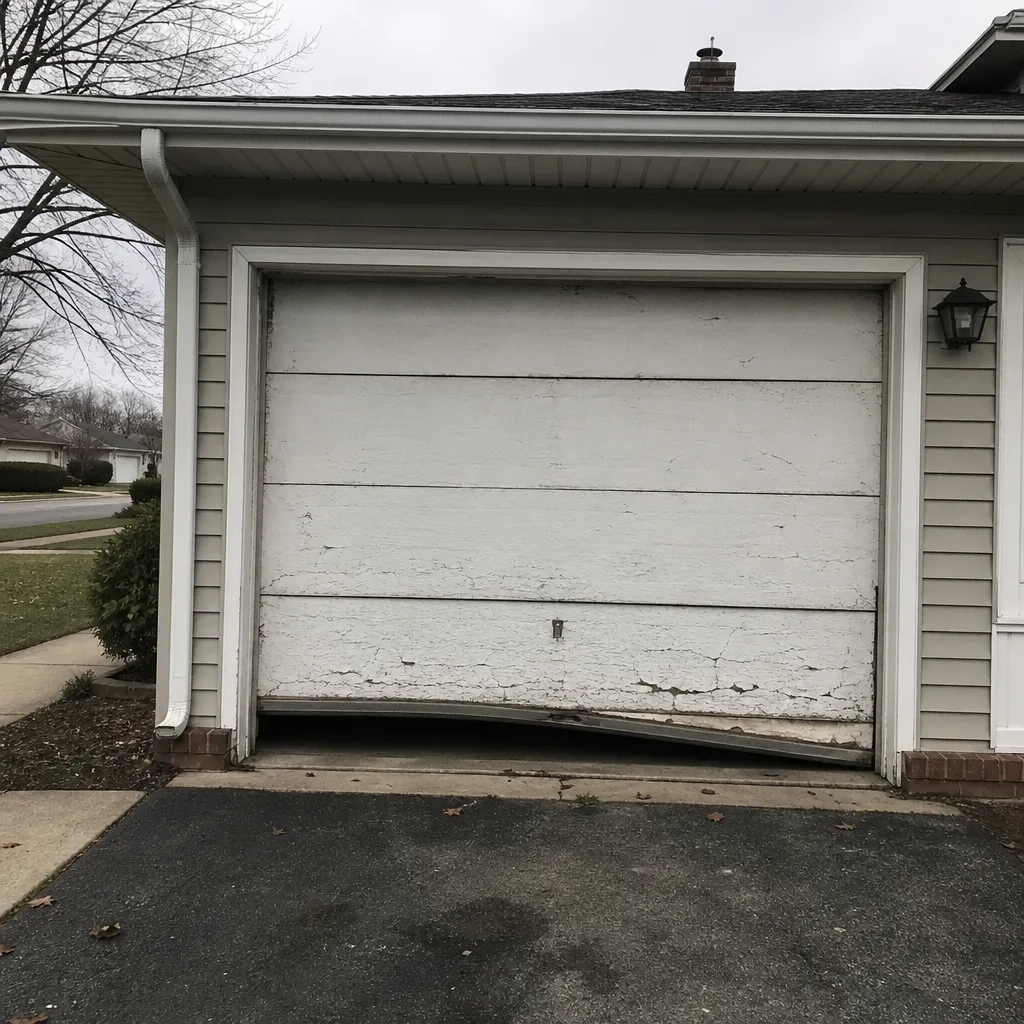
See the difference
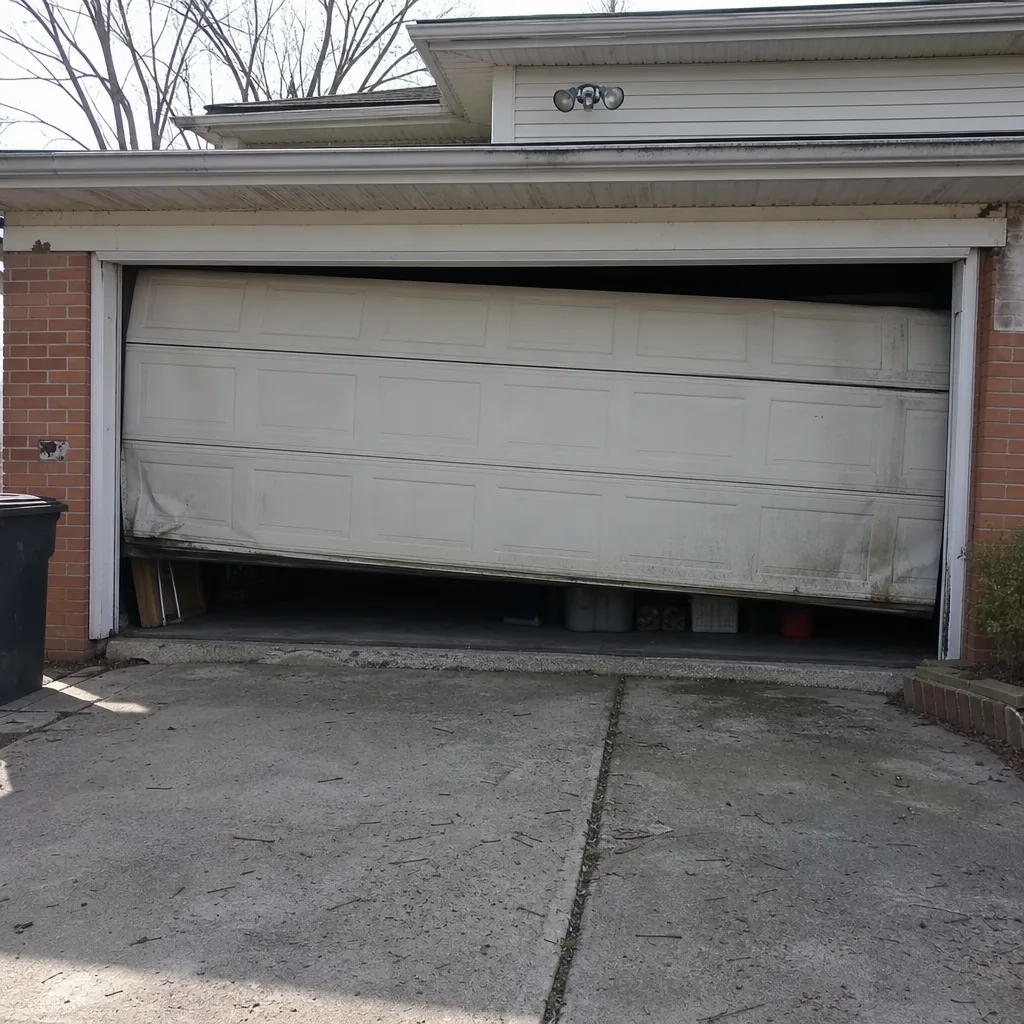 Before
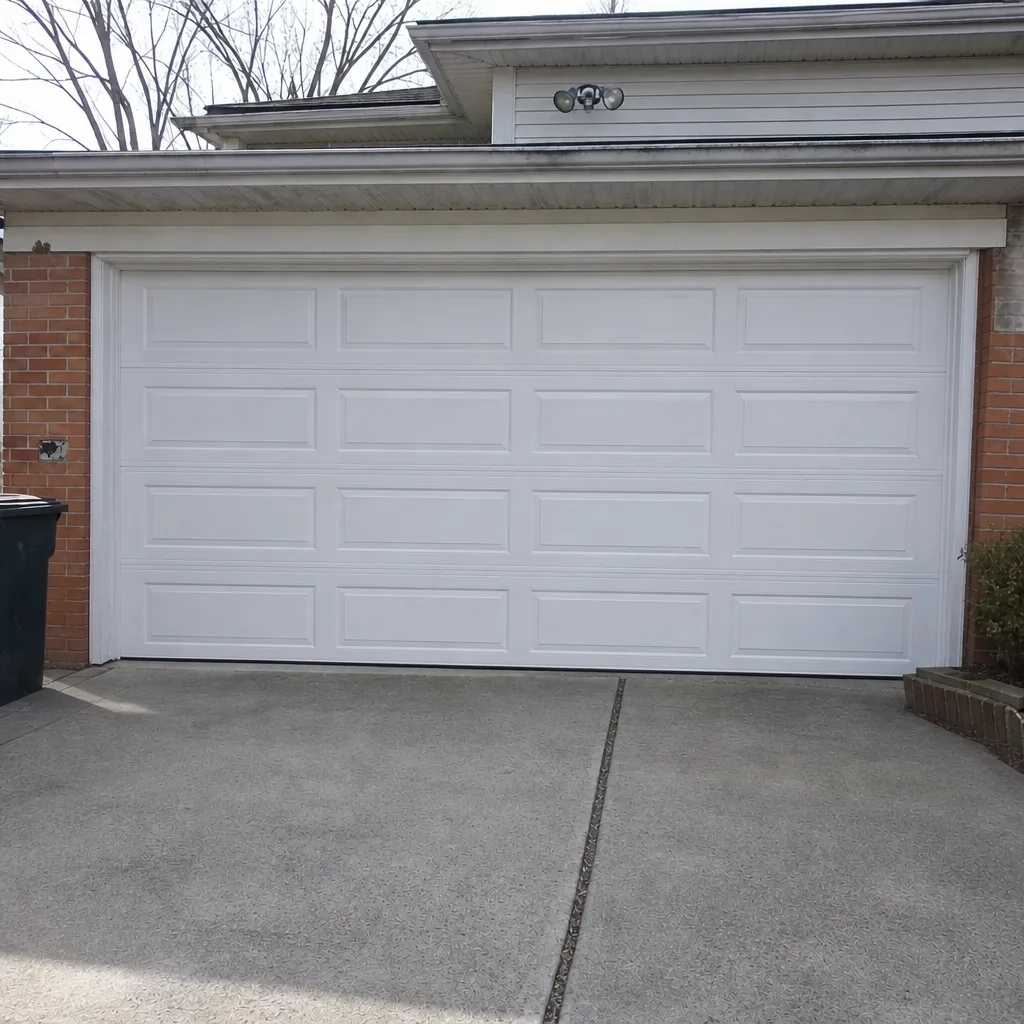 After
 Before
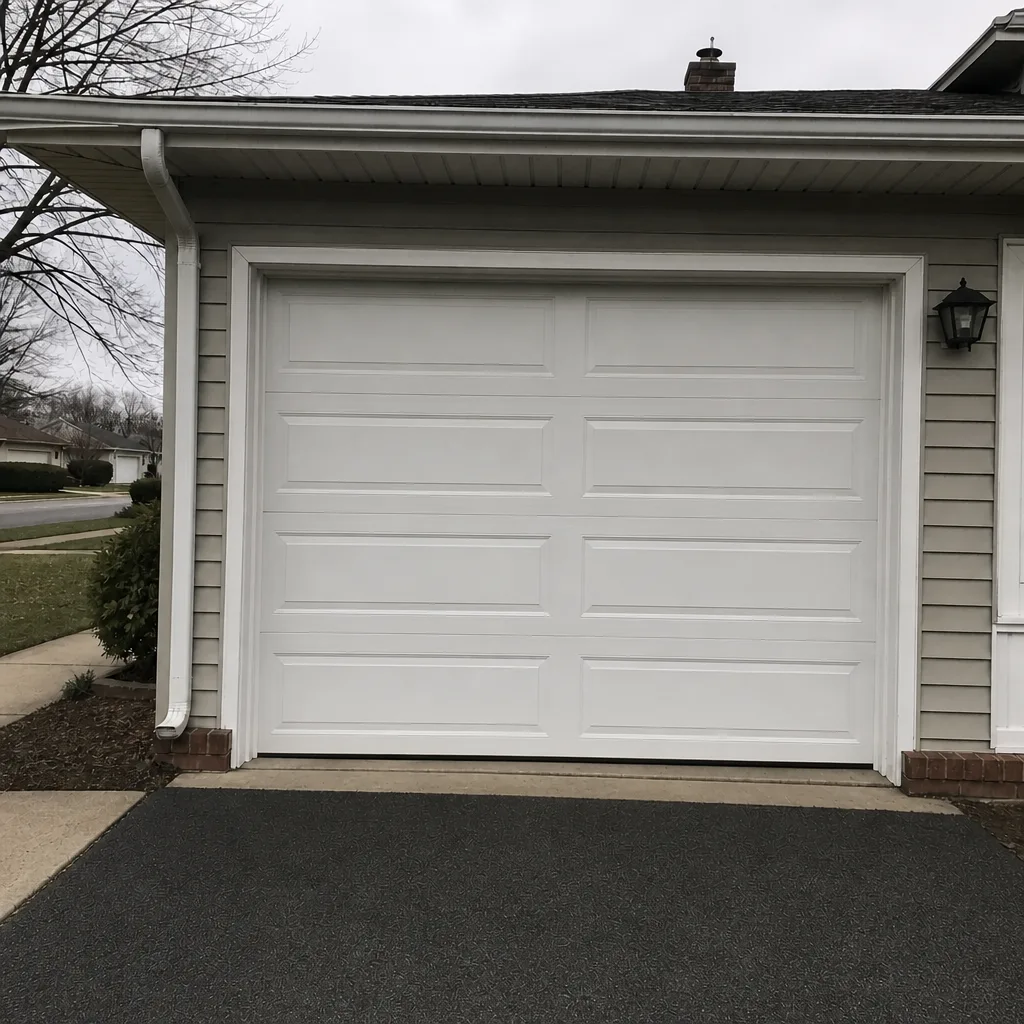 After
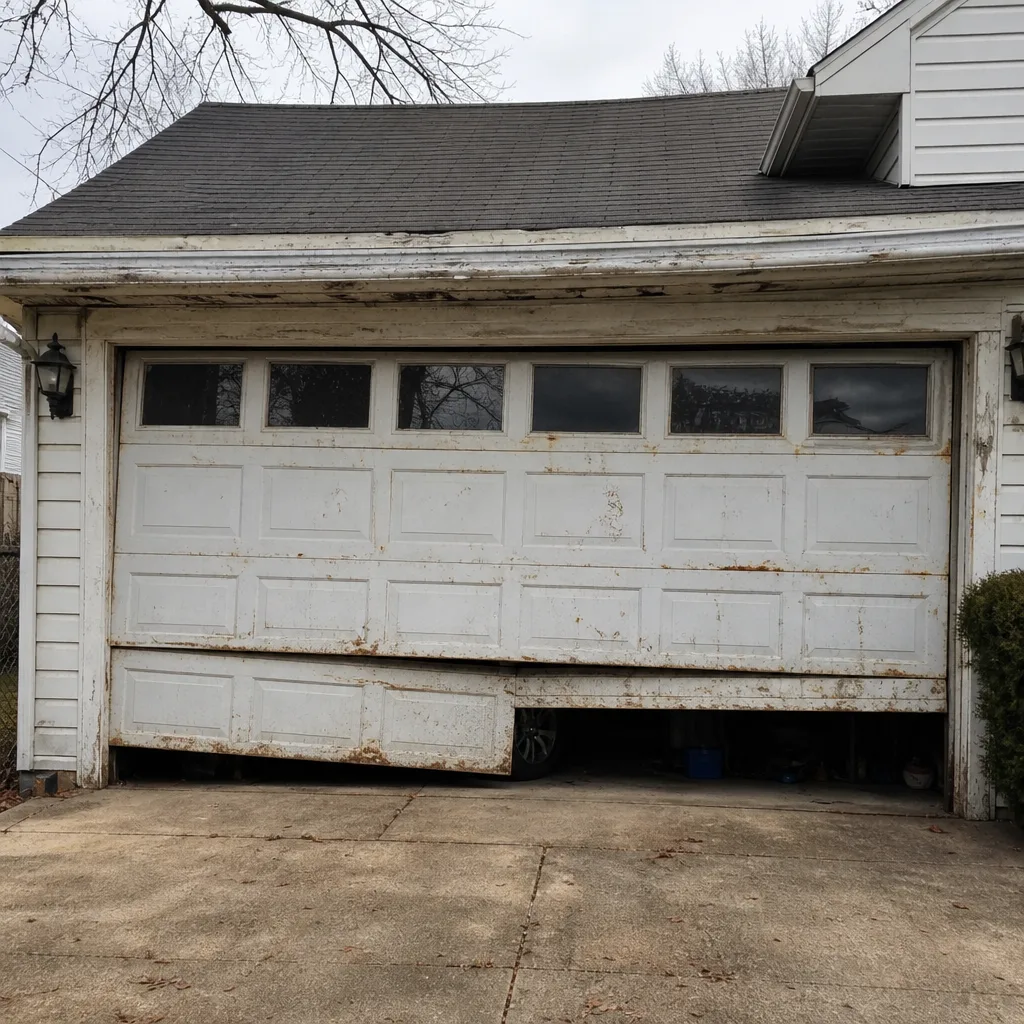 Before
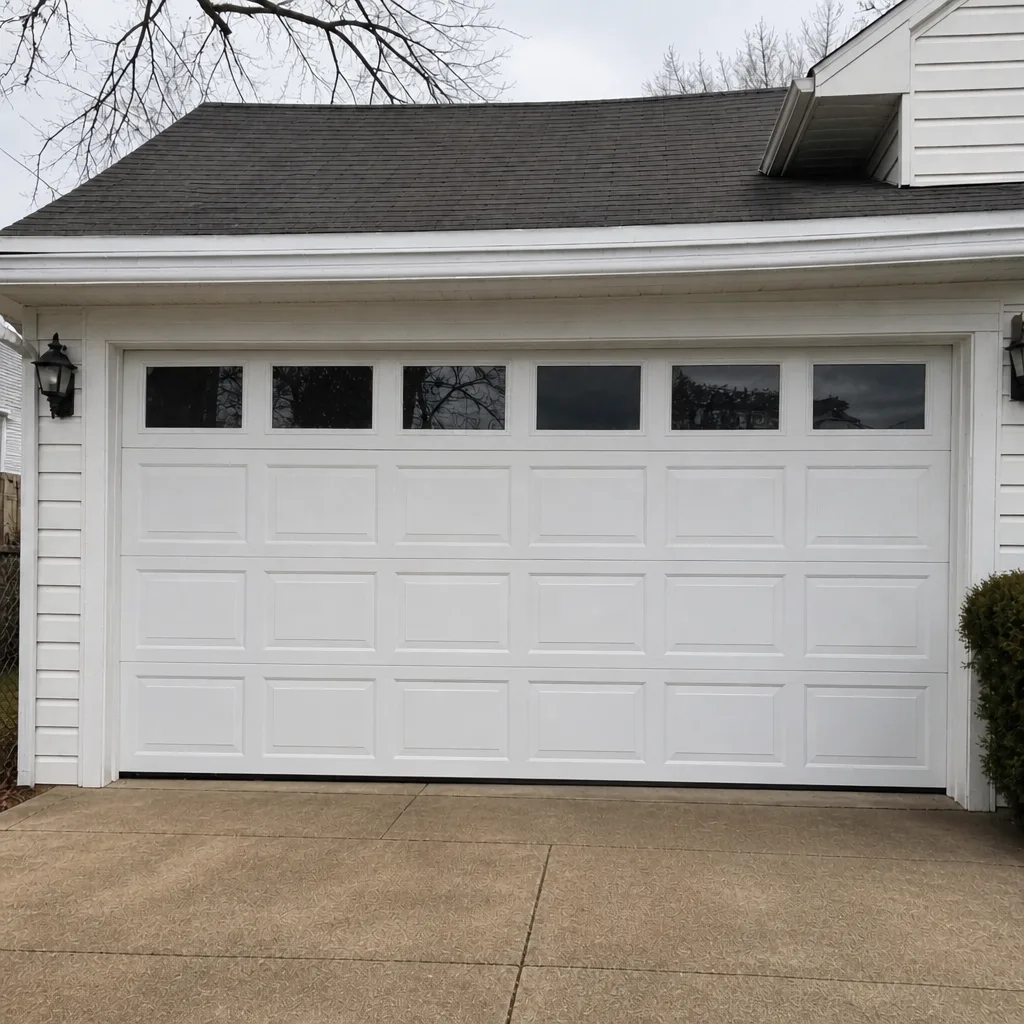 After
When to Call a Professional
Some maintenance is a homeowner job: visual checks, balance tests, sensor cleaning, and light lubrication. Other work is professional-only, and knowing the line keeps you safe and your door in good shape.
Call a trained technician when:
- You spot gaps in torsion spring coils, stretched extension springs, or a broken spring
- Cables look frayed, kinked, or unevenly wound on the drums
- The door drops on its own when you release it halfway through the balance test
- The auto-reverse function fails one or both tests
- A track is bent, dented, or visibly out of alignment
- A wood panel is warped enough that the seal has broken
- The opener grinds, reverses unexpectedly, or won’t open the door completely
- You’re hearing new noises that weren’t there before
Bensalem Garage Door Repair Pros offers free estimates in Bensalem. Call (855) 633-8567. We answer 24/7. Fast dispatch from 7am to 7pm, Sunday through Friday. Our technicians have up to 13 years of experience and work on LiftMaster, Chamberlain, Genie, Clopay, Amarr, Wayne Dalton, Craftsman, and Raynor equipment. The written estimate quotes and agrees on the price before any work starts, so you know exactly what you’re paying.
Frequently Asked Questions
Once a year for a professional tune-up, with monthly visual checks and lubrication every two to three months in between. Bensalem’s humidity swings and freeze-thaw cycles wear on doors faster than a mild climate, so sticking to a seasonal schedule matters more here than in drier parts of the country. If your door is over ten years old or you’ve just moved into a home where maintenance history is unknown, start with a professional inspection.
You can spray a proper lithium or silicone lubricant on extension springs from a safe distance, but never use WD-40 and never touch torsion springs on the winding bars. Any task that involves loosening, adjusting, or replacing a spring is professional-only. The tension in a wound torsion spring can cause serious injury in an instant. Call (855) 633-8567 for a free estimate if you’re unsure.
Typical maintenance and tune-up costs in Bensalem depend on the scope: a simple check-and-lubricate visit is usually less than a full tune-up with adjustments, and small parts like rollers or weatherseals are quoted per item. The final price is set in the written estimate before any work starts, so you agree to the amount before we begin. Call (855) 633-8567 for an exact quote. Estimates are free.
A visible gap in the torsion spring coil, or a stretched and worn extension spring, is the first sign to look for. Many homeowners also notice a popping or twanging sound, or a door that suddenly feels much heavier when lifted by hand. Any of these signals mean the spring should be inspected by a technician quickly, because a failing spring can snap. For garage door spring repair, we quote the price for one spring; if it’s a matched pair replaced together, the price reflects both.
Not always. A door that won’t close all the way usually means a misaligned safety sensor, an out-of-adjustment limit switch, a binding track, or a door that’s out of balance. Some of these fall under routine maintenance; others need a repair. The first thing to check is whether one of the safety sensor eyes is blocked or misaligned. If cleaning the lens doesn’t fix it, call bisiness for an inspection. For garage door opener repair on LiftMaster, Chamberlain, or Genie openers, we diagnose the actual unit in your garage. Call (855) 633-8567 for a free estimate.
For most of the door, a spray-on lithium grease or a silicone-based lubricant designed for garage door hardware works best, because it holds up to humidity without attracting grit. Use light machine oil on hinge pins and keep tracks completely dry. Never use WD-40 on springs or heavy grease on any door component. If you’re not sure which product goes where, ask before you spray. A technician can also apply the right products during a tune-up.
The Bottom Line
Maintenance keeps a garage door safe, quiet, and out of the repair shop. The three highest-value habits are inspecting springs and cables monthly from a safe distance, lubricating the right components with the right products (not WD-40 on springs), and testing balance and auto-reverse once a month. In Bensalem, the seasonal rhythm adds a fourth: watch wood door panels and weather seals closely through the humidity swings, especially at the bottom rail. Catch swelling early and you’ll replace seals, not panels. Most of this guide is homeowner-friendly work. Springs, cables, bent tracks, and failing openers are not. Bensalem Garage Door Repair Pros covers the full range from maintenance to emergency repair, from LiftMaster openers to Raynor installations. Call (855) 633-8567 for a free estimate. We answer 24/7. Fast dispatch from 7am to 7pm, Sunday through Friday. The price is quoted and agreed before any work starts.
If you’re searching for a broader overview of what we handle, Bensalem Garage Door Repair Pros covers the full range of residential services in and around Bensalem. We work on the brand already in your garage, whether it’s a Chamberlain smart opener, a LiftMaster belt-drive system, a Genie legacy unit, or a Raynor installation. When the door won’t move, neither does your day, so we offer emergency service for the situations that can’t wait. The right fix, not the easiest upsell, is how we work every call: if a repair will do, we’ll tell you. If a new door is the right call, we handle that too.
Written by the team at Bensalem Garage Door Repair Pros.