
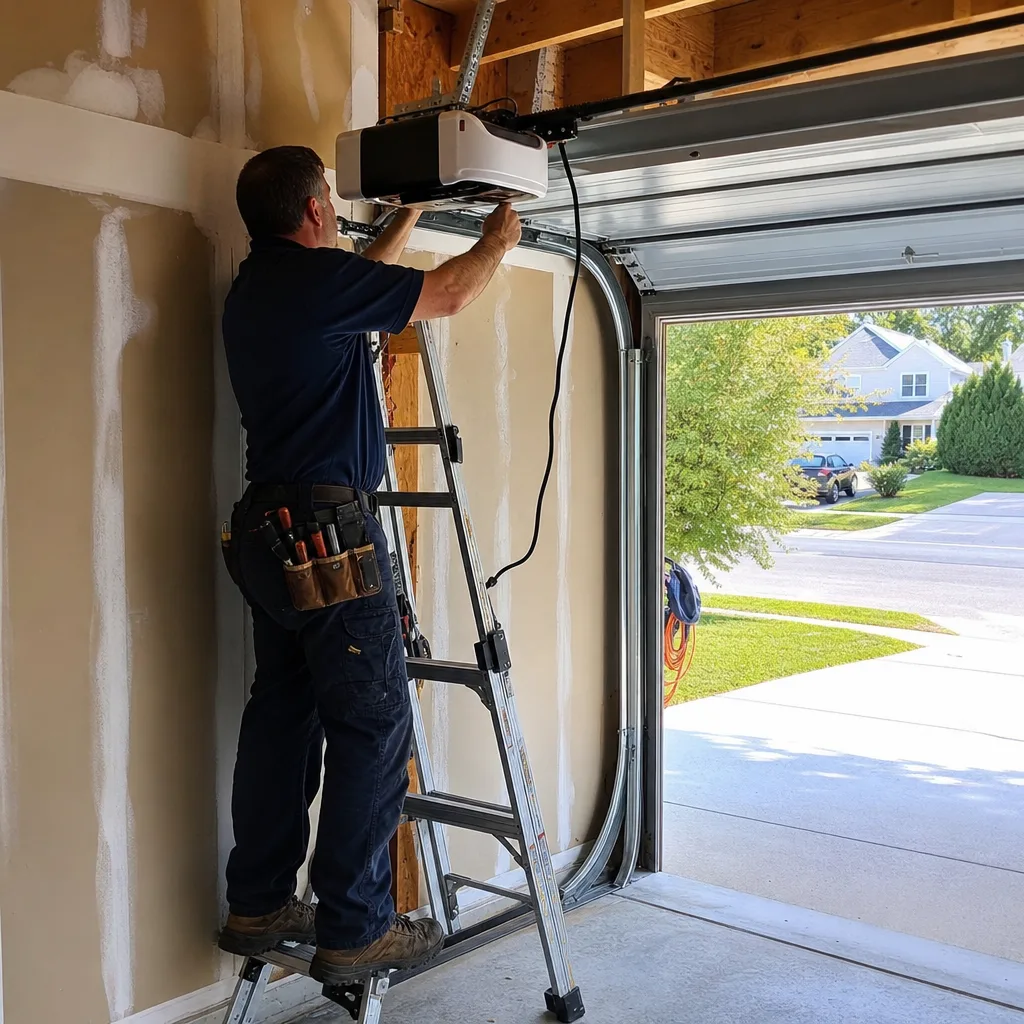
Last updated November 23, 2026
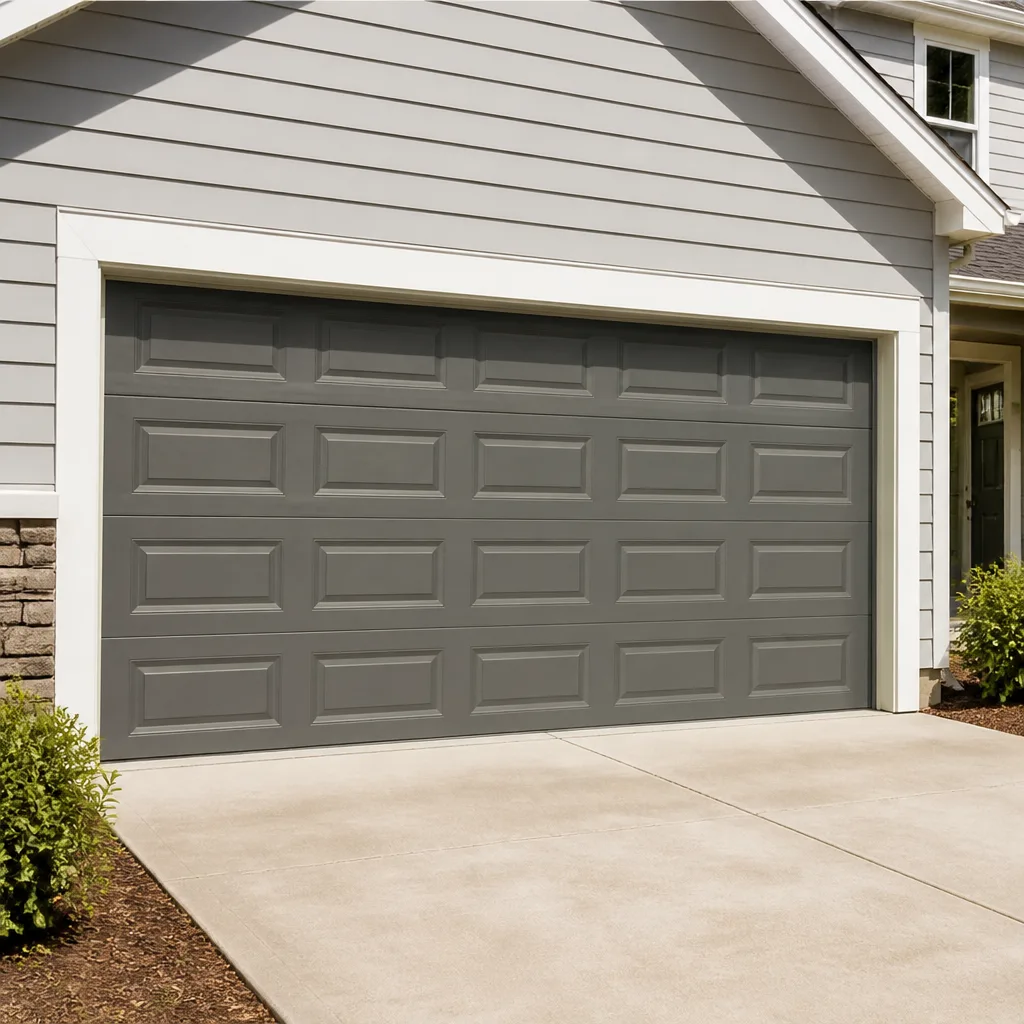 Raised-panel steel
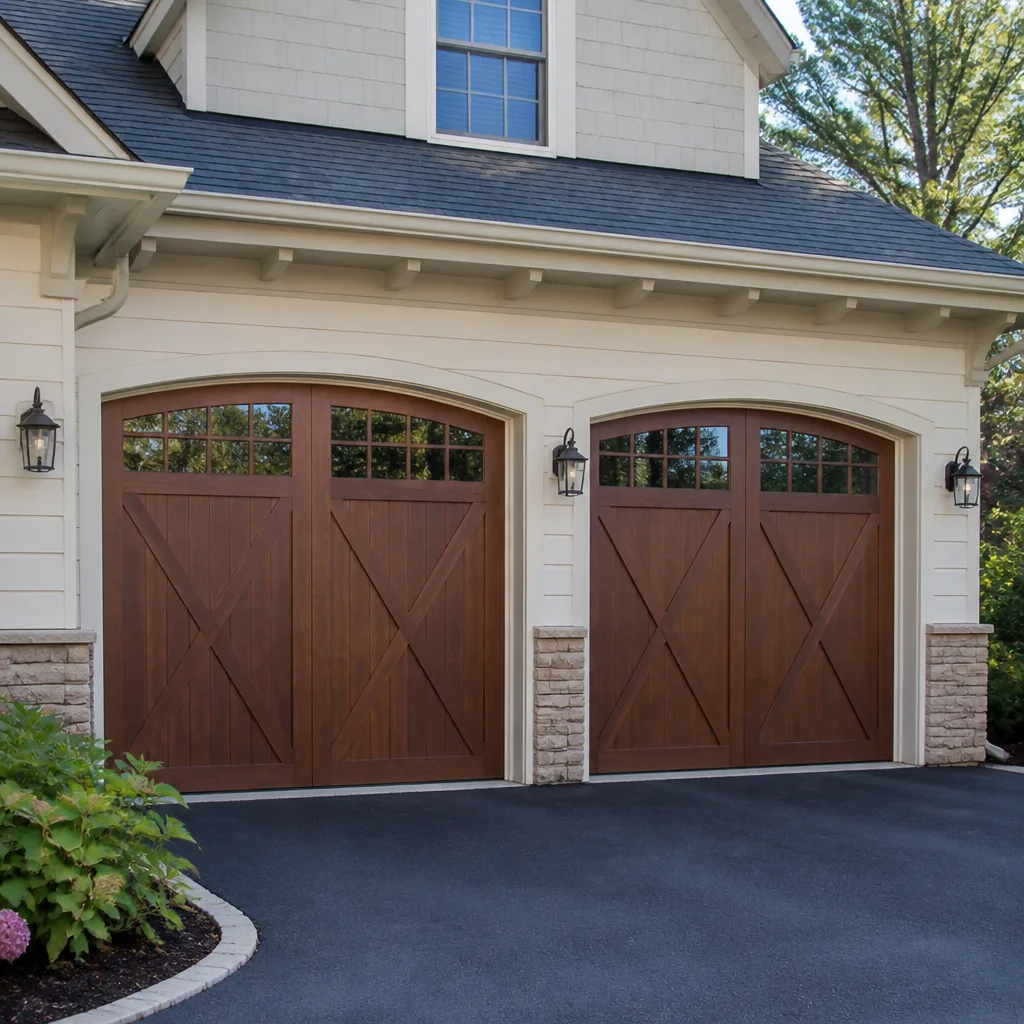 Carriage house
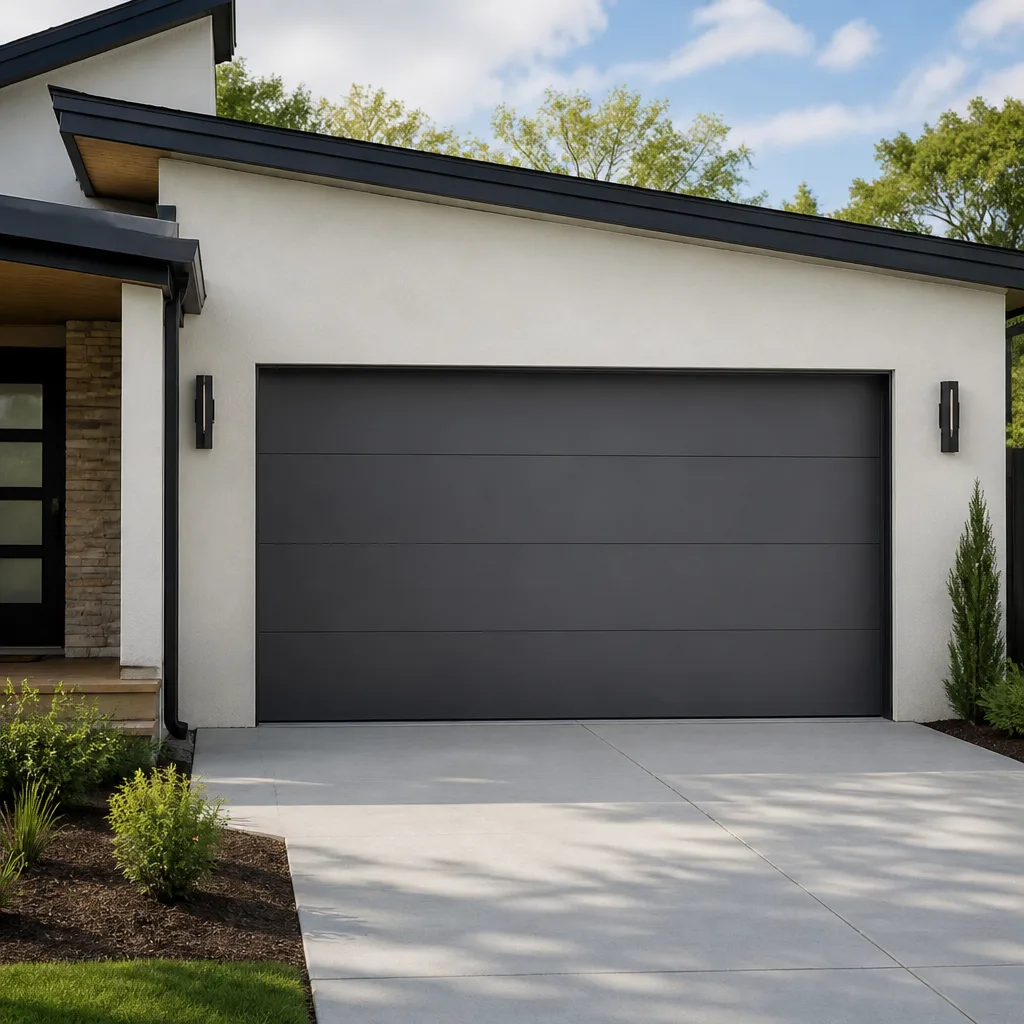 Modern flush
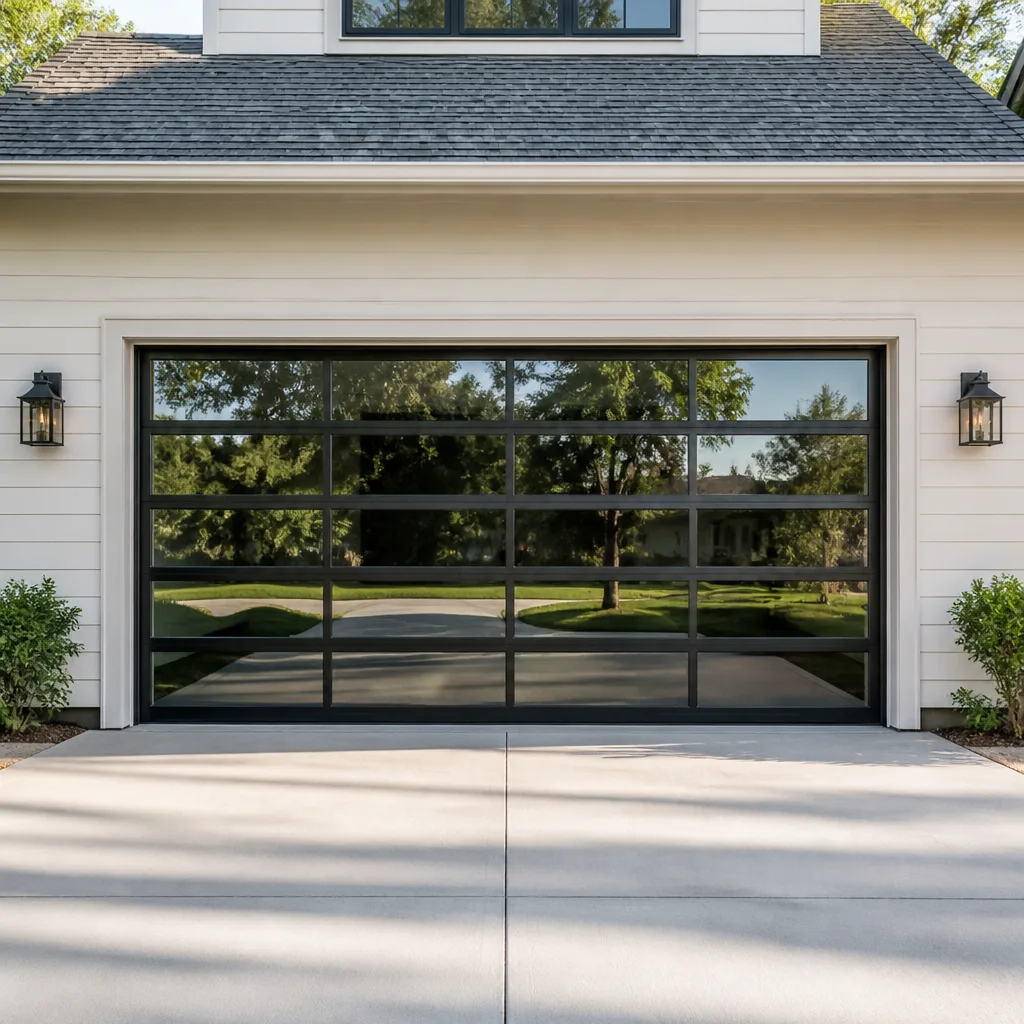 Full-view glass
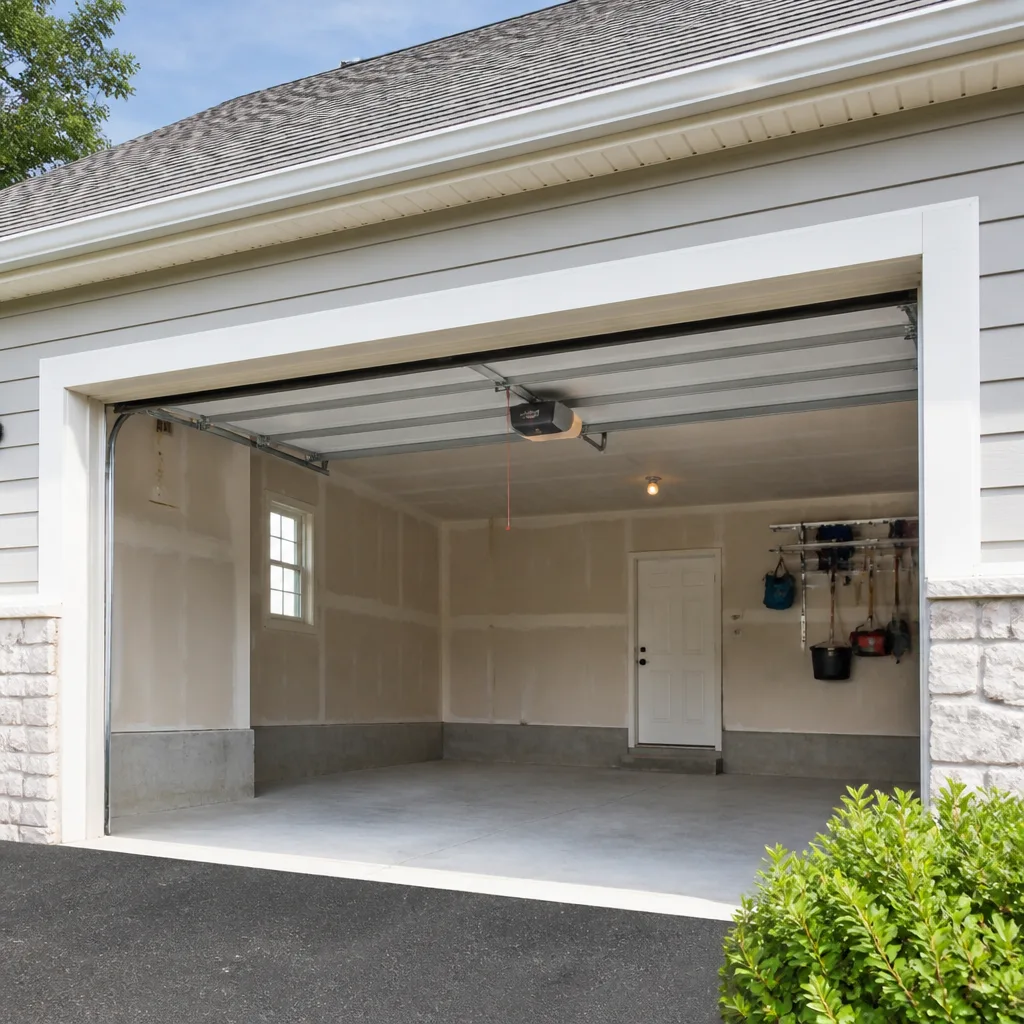 LiftMaster openers
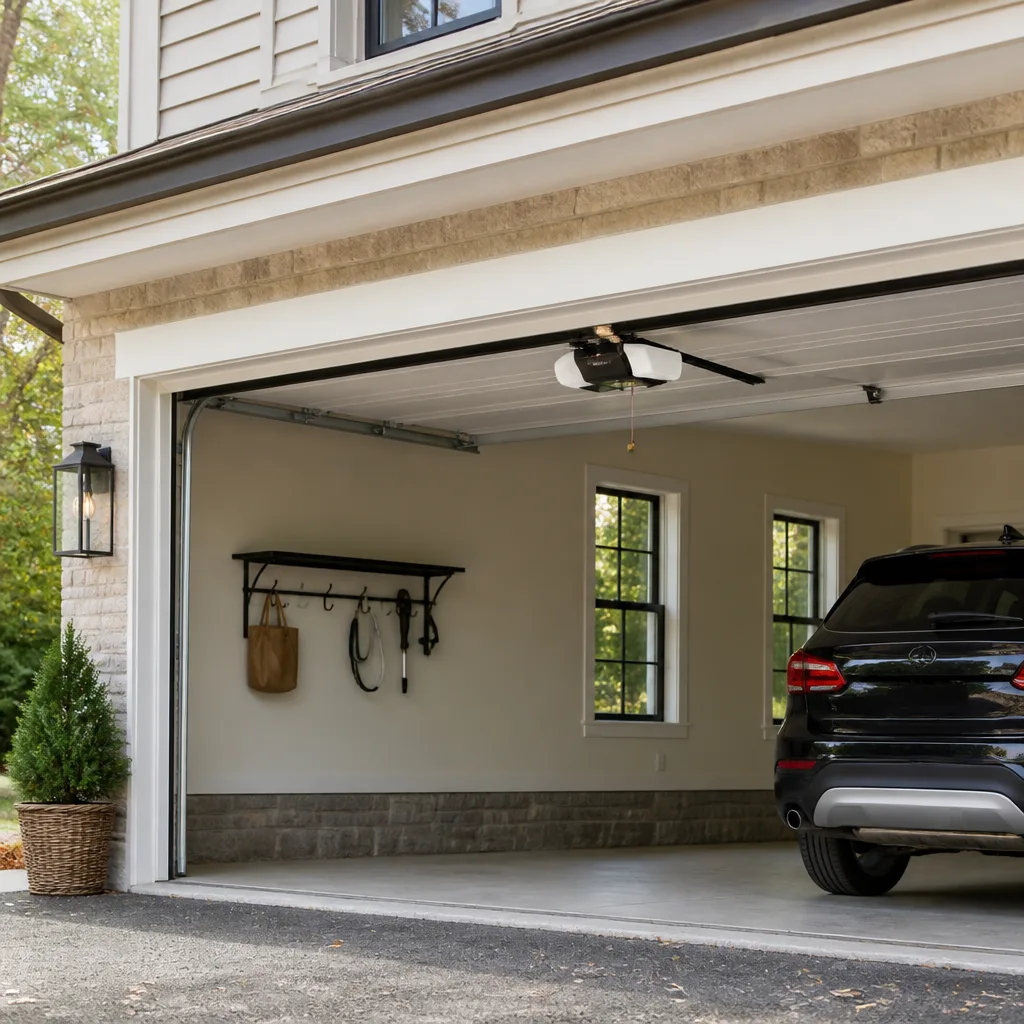 Chamberlain openers
Full 25-point door and opener safety check with every visit - springs, cables, rollers, tracks, and your LiftMaster or Chamberlain opener included
You get a price before we start. It does not change when the pro arrives.
Get your free estimateGarage Door Warning Signs: A Bensalem Homeowner’s Reference Guide
Most garage door failures don’t happen without warning. They announce themselves first – in a grind, a rattle, a shudder, a door that lifts a little crooked. The problem is that homeowners hear the noise, see the wobble, and file it under “probably fine.” Then a torsion spring snaps at seven in the morning and nobody can get out of the driveway. The trick is learning which sounds and movements point to which component, and how fast you need to act. This guide decodes the warning signs specific to Bensalem homes and the door equipment most often found in them.
Quick Answer
The most urgent garage door warning signs are a door that reverses before it closes, a loud bang followed by a door that won’t lift, and visible fraying on the lift cables. Those three call for same-day professional attention. Grinding, squealing, and rattling are usually rollers, hinges, or track brackets that need servicing soon but rarely fail instantly. Slow descent, uneven lifting, and shuddering on the way up point to spring tension, track alignment, or worn rollers – all worth an inspection before they turn into a breakdown.
Styles & brands we work with
- Raised-panel steel
- Carriage house
- Modern flush
- Full-view glass
- LiftMaster openers
- Chamberlain openers
Table of Contents
- What Each Sound Is Telling You
- Visual Warning Signs, Sorted by Urgency
- Movement Patterns and What They Mean
- Why a Door That Reverses Unexpectedly Is a Real Problem
- Brand-Specific Warning Signs in Bensalem Homes
- Seasonal and Climate Patterns in Bensalem
- What Can Wait and What Can’t
- Common Mistakes to Avoid
What Each Sound Is Telling You
A grinding noise and a rattling noise sound similar from the driveway, but they come from completely different places in your door system. Grinding is usually metal-on-metal contact – a worn roller with a locked bearing dragging along the track, or a hinge pin that has rusted and is scraping as the door pivots. Rattling is looseness, not friction: a track bracket, a hinge bolt, or the opener rail itself is vibrating as the door travels. One is a component on its last leg; the other is hardware that could let the door jump the rail if it keeps backing out.
The five sounds worth knowing
- Grinding – Worn rollers, dry hinge pins, or a failing opener gear. Grinding under load usually points to the rollers first. If you hear it from the opener housing rather than the door, the drive gear or chain is the culprit.
- Rattling – Loose track brackets, hinge bolts, or opener rail nuts. This one is often solved by tightening hardware, but a bracket that has worked loose from the jamb needs more than a wrench.
- Squealing – A dry torsion spring, dry rollers, or a chain that needs lubrication and tension adjustment. Squealing is usually the cheapest issue on this list, which is exactly why ignoring it for a year costs more later.
- Popping – Often the opener’s chain jumping a sprocket tooth, or a torsion spring that is binding. A single pop while the door is moving is worth investigating before the next cycle.
- Thumping – Uneven travel, a bent track, or a door that is binding on one side. Thumping usually shows up as a sound plus a visible shudder, which makes it easier to pin down.
If you can tell us which of these five you’re hearing and roughly where it comes from – the door itself, the opener rail, or the housing – we can usually narrow down the component before a technician is even out. That’s the value of the brand-specific training we build into every call.
Visual Warning Signs, Sorted by Urgency
Some visual warning signs are cosmetic and can sit for a month. Others are a genuine mechanical hazard that needs a professional within the same day. Sorting them by urgency is the single most useful habit you can build as a homeowner.
Needs same-day attention
- Frayed or kinked lift cables. The cables that lift your door carry the full spring tension. Fraying or a kink means the cable could let go unexpectedly. Do not attempt to fix this yourself – stay clear of the door and call.
- A door that has come off one track. A door hanging half in and half out of a track is under load and unstable. Stop using the opener.
- Visible separation at a torsion spring coil. A torsion spring that has cracked or shifted off its center is no longer safe to cycle. This is exactly the failure that makes an emergency service call worth having.
- Door that reverses before it hits the floor. Covered in its own section below, but the short version: it’s an auto-reverse sensor issue, and it isn’t a nuisance.
Needs attention this week
- Bent or dented track sections. A door can usually still cycle, but a bent track causes the rollers to bind and speeds up wear on everything else.
- Visible gaps between door panels. Panel separation is common in Bensalem homes with older steel doors and can let water into the opener housing.
- A roller that’s visibly cracked or missing a bearing cap. One bad roller will chew through a good track in a matter of weeks.
Can usually wait up to 30 days
- Cosmetic dents and scratches on a panel. These aren’t structural unless they’re near a hinge or a roller carrier.
- Peeling paint or fading on a steel face. A maintenance item, not a failure – unless it’s hiding rust at a panel seam.
- A decorative handle or trim piece that’s loose. Tighten when convenient.
If you can’t tell which bucket a symptom belongs in, call and describe it. A short phone conversation usually settles it, and we’d rather tell you it can wait than have you cycle a door that shouldn’t be cycled.
Movement Patterns and What They Mean
How your door moves tells you as much as how it sounds. A door that used to lift clean and now shudders on the way up is telling you something specific: the load is no longer balanced across the two torsion springs, the tracks have shifted, or the rollers have flat-spotted. A balanced door should feel nearly weightless through its travel – if it’s heavy on one side, the spring system is telling you it’s tired.
Patterns worth decoding
- Slow descent. The door drops slower than it used to or crawls the last foot to the floor. This is often a spring that has lost tension, or an opener that’s working against a door that’s heavier than it should be. Running a tired opener hard shortens its life.
- Uneven lifting – one side higher than the other. This is the classic sign of a torsion spring near failure, a broken extension spring on one side, or a track that’s out of plumb on one jamb.
- Shuddering on the way up. Usually rollers binding in the track or a track that’s no longer straight. Left alone, shuddering turns into a bent track and a broken roller.
- A pause mid-travel. The opener hesitating halfway up is often a chain or belt that’s loose, or a force setting that’s compensating for a heavier door than the opener was calibrated for.
- A door that stops short of the floor. The bottom seal isn’t meeting the floor, which lets drafts and weather in – common in Bensalem homes with a sloping driveway apron.
If the pattern is “works fine sometimes, doesn’t work other times,” that’s often the opener’s logic board or a limit switch that’s drifted. Brand-specific familiarity matters here – a LiftMaster and a Genie don’t fail the same way, and diagnosing one from the driveway with no brand knowledge wastes time.
Why a Door That Reverses Unexpectedly Is a Real Problem
A door that reverses before it reaches the floor is not a quirk, and it’s not something to work around by holding the button down. It’s an auto-reverse sensor failure, and the sensor that has failed is the safety system that’s supposed to stop the door if it meets an obstruction – a bicycle, a pet, or a person. A door whose safety sensor is malfunctioning is a door that can no longer guarantee it will stop when it should. That’s a liability question, not a convenience question.
The common causes are straightforward:
- One of the two photo-eye sensors on either side of the door is misaligned or has been nudged.
- The sensor lens is dirty from dust or road grit.
- The wiring to one sensor is loose at the bracket.
- The opener’s force or travel limits have drifted, so the door believes it’s hitting something.
- The sensor itself has failed and is sending an obstruction signal to the opener.
Bensalem garages face a specific version of this – sun angle and reflected light across a white or light-colored driveway can confuse photo-eyes at certain times of day, which is why some doors reverse only in the afternoon. That’s not a faulty sensor necessarily, but it’s still worth a professional look, because the fix might be realignment rather than replacement.
Don’t disable the sensor. Don’t tape over it. Don’t prop the door open and call it a day. That sensor failing is one of the clearest warning signs on this entire list, and it’s the one most often ignored. If your door reverses unpredictably, that’s a call for garage door opener repair rather than a wait-and-see.
Brand-Specific Warning Signs in Bensalem Homes
Garage doors aren’t one product – they’re a panel system, a spring system, a track and roller system, and an opener, and each of the eight major brands has its own failure patterns. What a Clopay panel does under load is different from what an Amarr panel does. What a LiftMaster opener does when a limit switch drifts is different from a Craftsman. Recognizing brand-specific signals speeds up diagnosis and prevents the wrong fix.
Across the eight brands we work on – LiftMaster, Chamberlain, Genie, Clopay, Amarr, Wayne Dalton, Craftsman, and Raynor – a few patterns stand out in this area’s housing stock:
- Wayne Dalton doors with older TorqueMaster-style torsion systems often give a specific pop on lift, then cycle fine, then pop again. Owners read this as “nothing serious.” It usually isn’t – until it is, and the door stops lifting at all.
- Amarr steel panels in homes with an unheated or partially heated garage can develop a visible seam gap after a hard freeze, which then throws the door out of alignment at the hinge. Bensalem’s winter swings from mild to cold make this a recurring theme.
- Craftsman openers from the legacy chain-drive generation often develop a thump at the end of travel as the limit switch drifts. It’s a straightforward adjustment and one of the least expensive repairs on this list.
- Raynor doors with older style hinges often develop a specific creak at the top-panel hinge before the hinge itself fails. Catching it early saves a panel.
- LiftMaster and Chamberlain openers can throw a yellow or red diagnostic light pattern on the motor head that points to a specific fault – often misread as “the opener’s dead.”
The right fix, not the easiest upsell, comes down to knowing which specific equipment is in your garage. If you tell us the brand on the opener housing and the door panel, we can usually predict what the technician will find before he’s through the door. That’s the value of service across a defined, deep brand list rather than a generic referral network.
Seasonal and Climate Patterns in Bensalem
Bensalem door failure has a seasonal rhythm. The spring and fall transitions bring the widest temperature swings, and those swings stress the torsion spring system more than any other force the door experiences. A steel door face contracts overnight and expands in the afternoon sun, and the panel seams, hinge points, and weather seals work against that motion every day. When the metal finally lets go, it’s usually at a seam.
Winter is when the failure signs concentrate:
- Frozen ground and a shifting driveway apron can throw off the door’s closed position, so the bottom seal no longer sits flush.
- A heated garage opening onto a cold driveway can fog the photo-eye lens, which produces false obstruction signals.
- Hard freezes followed by thaws loosen track brackets mounted to masonry, which is why spring rattles often show up in Bensalem after the first thaw rather than at the freeze itself.
- Grease on rollers and hinge pins thickens in cold weather, which increases load on the opener.
Summer has its own signals. High heat softens the lubricant enough that a door that was quietly binding all winter starts to squeal. And afternoon sun across a light driveway is a common cause of the “reverses only in the afternoon” complaint. If your door cycles fine in the morning and reverses at four in the afternoon, that’s a strong clue, not a coincidence.
What Can Wait and What Can’t
Figuring out urgency is the difference between a repair and a replacement. Here’s how to triage a warning sign in the order we’d ask about it:
- Is the door still safely able to cycle? If it comes off one track, hangs crooked, or the cable is frayed, stop using it. This is a same-day professional call, not a wait-and-see.
- Is the safety reverse working? Test it by placing a small object in the door’s path – if the door doesn’t reverse, keep the door open and call. Don’t test by standing under the door. That sensor failure is a liability issue.
- Is the sound new or worsening? A grind that appeared this week moves up the list. A squeal that’s been there for a season can usually wait for a scheduled service call.
- Is the door balanced? Disconnect the opener and lift the door by hand – if it wants to fall, or feels heavy on one side, the spring system needs professional attention. Never cycle a door you suspect is out of balance.
- Is the opener behaving? Unusual light patterns, opener hesitation, or a door that reverses only in the afternoon all point to the opener, and these are almost always cheaper to fix early.
If you’re not sure which of the five applies, call. That’s what the number is for. The cost of a short conversation is zero, and it’s cheaper than a panel or opener that fails because a small symptom was left alone.
Common Mistakes to Avoid
- Holding the opener button down to force a reversing door closed. This overrides the safety sensor entirely. The sensor issue doesn’t go away, and you’ve just removed the mechanism that stops the door on an obstruction.
- Trying to adjust a torsion spring yourself. Torsion springs are under high tension. If one fails while you’ve got a wrench on it, the injury risk is serious. This is the highest-stakes DIY repair in the garage, and it isn’t worth attempting.
- Ignoring a single “it worked fine yesterday” cycle. A door that cycled fine yesterday and doesn’t today usually means a component has already failed. That’s not a lazy door; that’s a diagnostic clue.
- Treating a loud bang followed by a door that won’t lift as an opener problem. That bang is often a torsion spring letting go. Replacing the opener won’t help, and cycling the door without a spring can damage the panels.
- Letting a frayed cable ride because it “still works.” A cable under tension that’s fraying is on a countdown. The time to replace it is before it fails.
- Calling a generic referral service for a brand-specific opener. A technician who knows LiftMaster and Genie logic boards from experience diagnoses the actual failure. A generic tech who’s guessing often replaces the whole opener instead.
- Skipping the safety reverse test because the door “seems fine.” A door that runs smoothly and fails to reverse is a door that has one safety system down. Test it monthly and don’t take the smooth cycle for evidence.
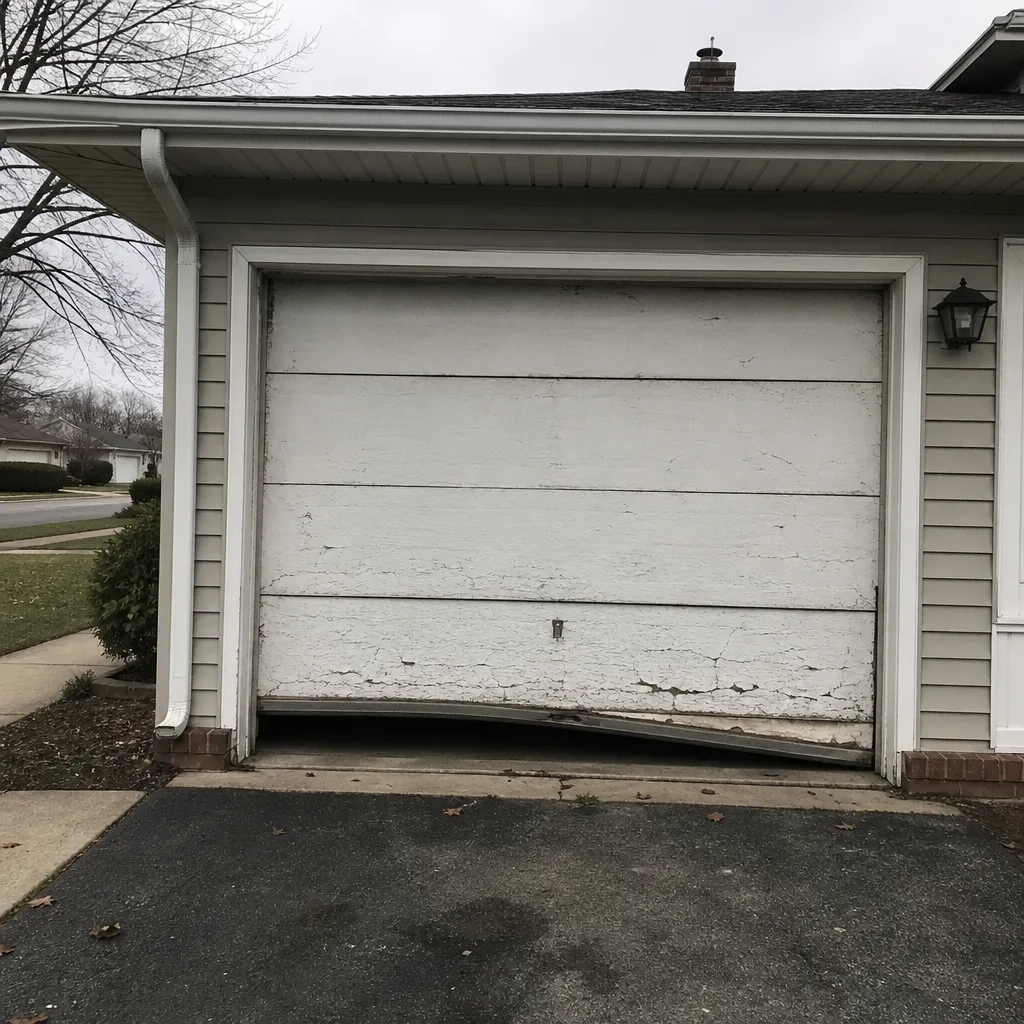
See the difference
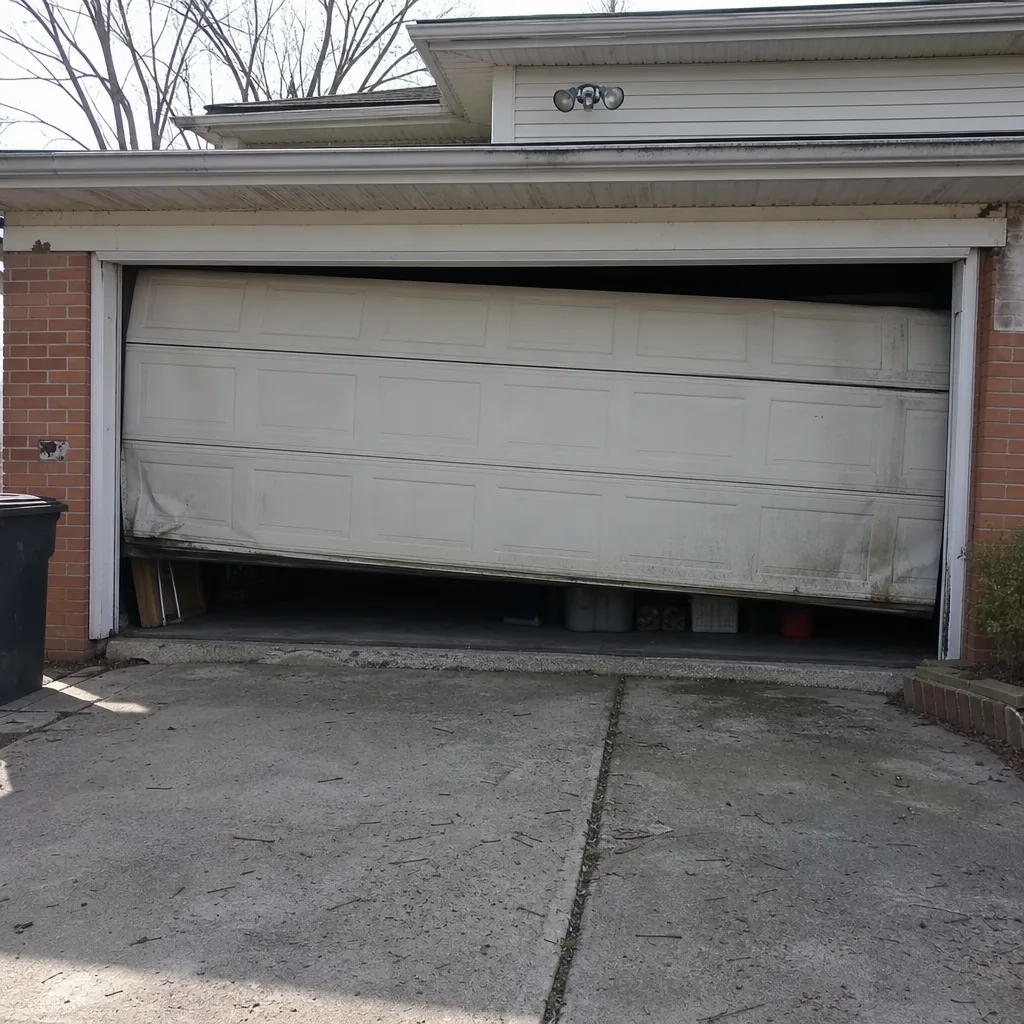 Before
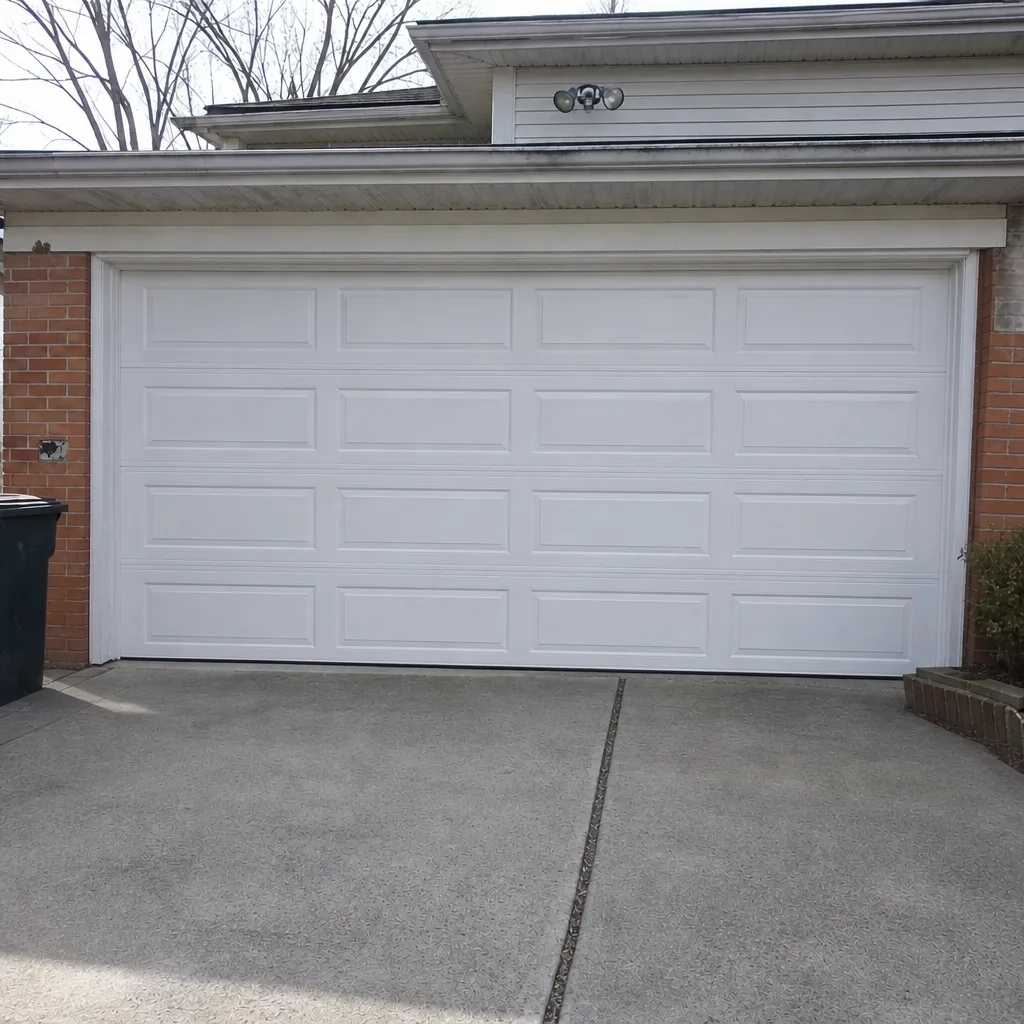 After
 Before
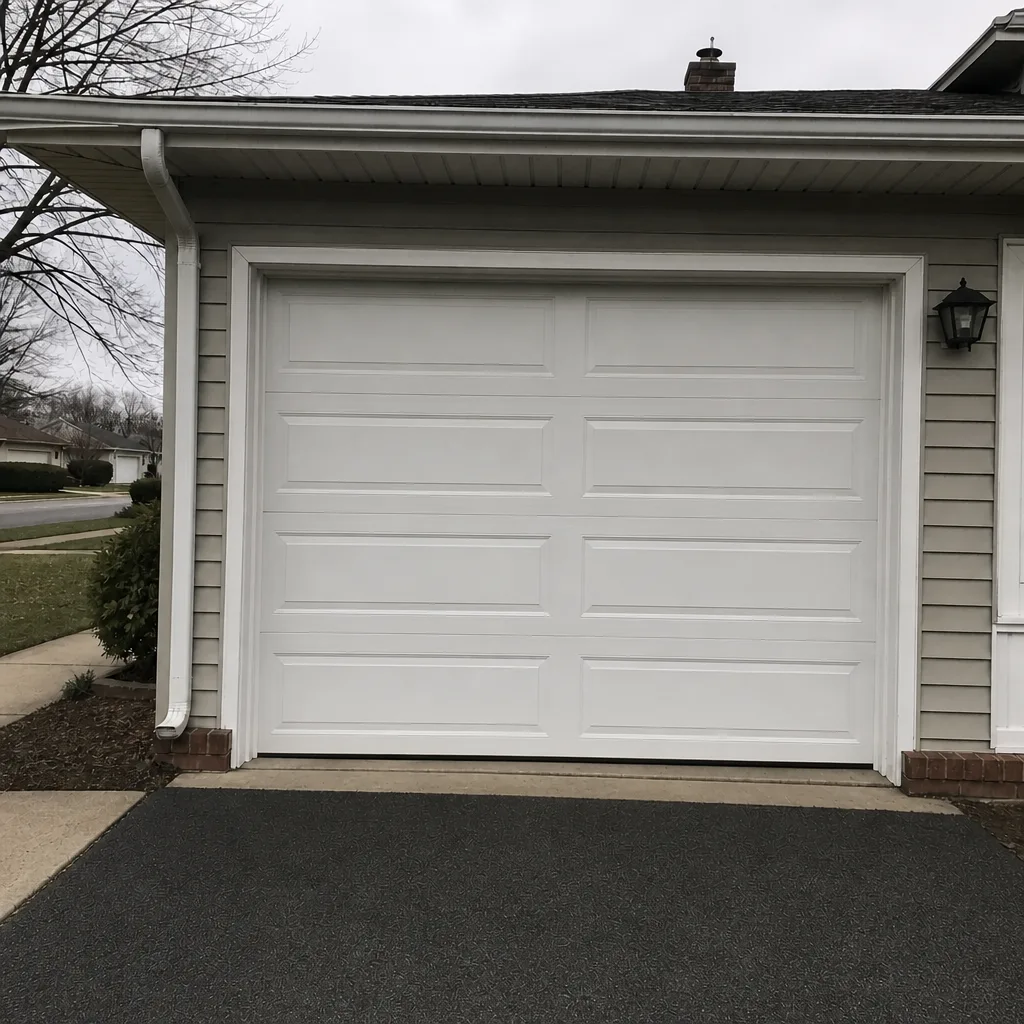 After
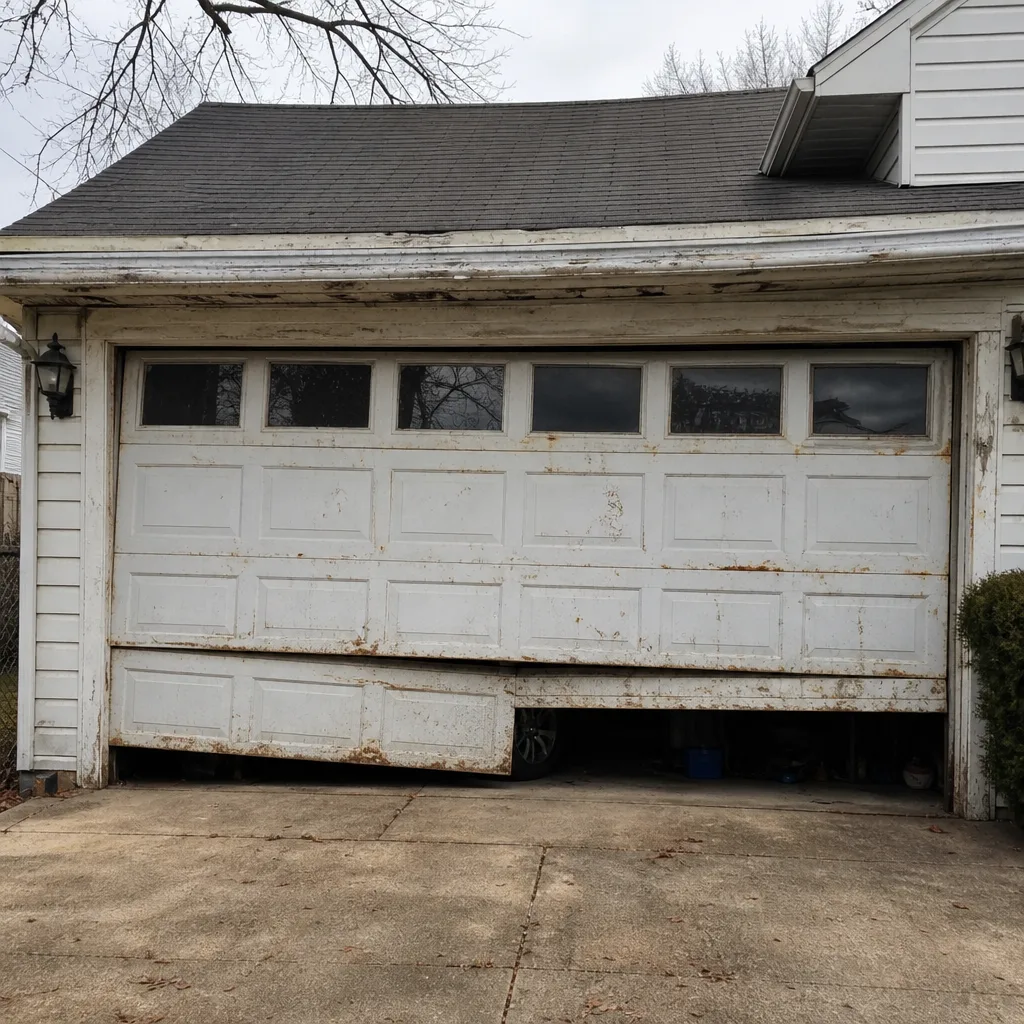 Before
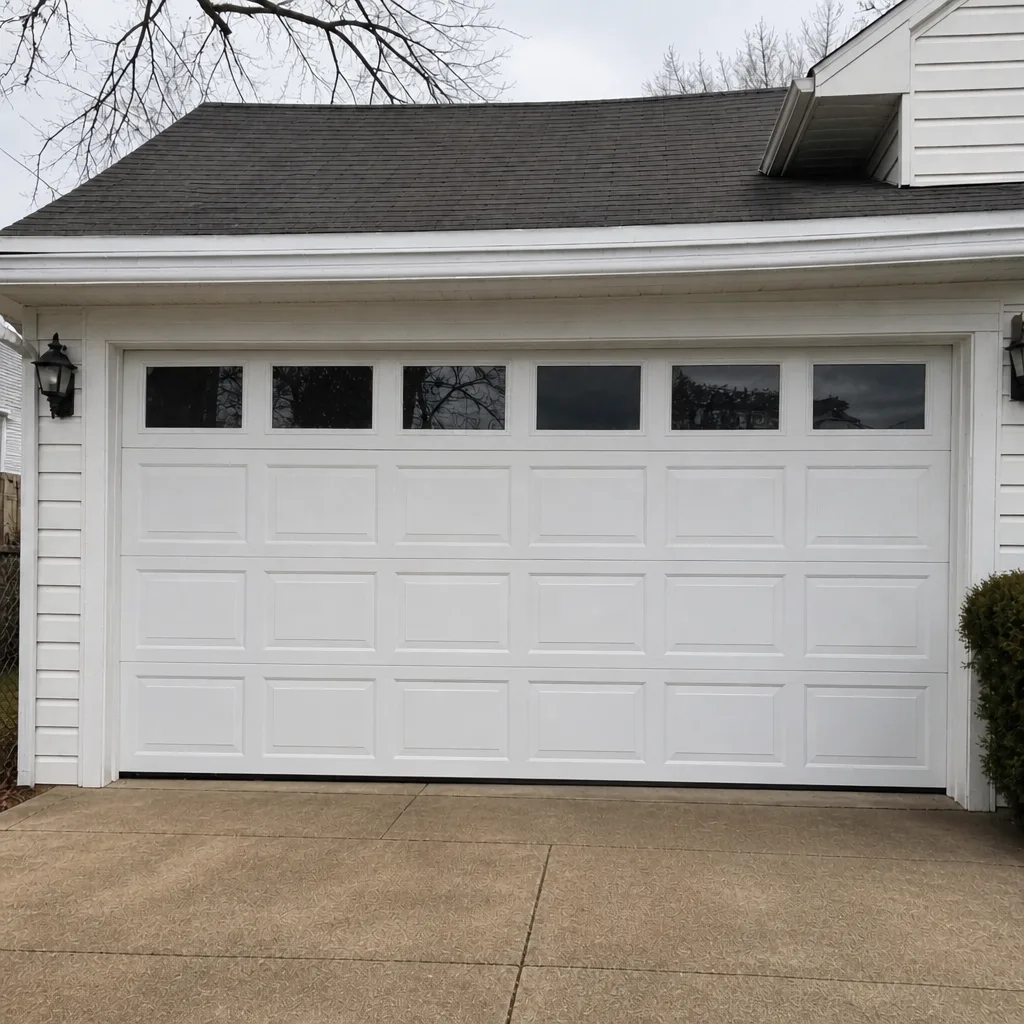 After
When to Call a Professional
Call a professional when the door has come off a track, when you hear a loud bang and the door won’t lift, when a cable is fraying, when the safety reverse fails, or when the door reverses unexpectedly before it reaches the floor. Those five scenarios top the list every time. Beneath them, call when a symptom is new, when it’s getting worse, or when you can’t tell which category it belongs in. Bensalem Garage Door Repair Pros offers free estimates in Bensalem – call (855) 633-8567. We answer 24/7. Fast dispatch from 7am to 7pm. Our technicians have up to 13 years of experience, and they know the brand already in your garage. One call covers the diagnosis and the fix, so you’re not chasing a part from one number and a diagnosis from another.
Frequently Asked Questions
Typical spring repair in Bensalem runs about $180 to $340 for one torsion spring and about $320 to $620 for a matched pair, though the written estimate sets the final price and depends on the door’s configuration and which spring system is installed. Price is quoted and agreed before any work starts. Call (855) 633-8567 for an exact quote – estimates are free.
Yes, in most cases a non-closing door is a same-day repair when you call during dispatch hours. The fastest path is to describe what the door is doing – reversing early, hanging crooked, not moving at all – so the technician arrives with the right part. Call (855) 633-8567. We answer 24/7. Fast dispatch from 7am to 7pm, Sunday through Friday.
The price on the written estimate is the price you pay for the work described there. If the diagnosis changes – a worn roller turns out to be a bent track, say – we discuss the new scope with you before any work is done, and you approve it first. You’ll never get an invoice that’s larger than the estimate you agreed to without a conversation.
The local professional we connect you with is licensed and insured as their state requires, and spring and opener work is only handled by technicians experienced with high-tension hardware and brand-specific opener diagnostics. Call (855) 633-8567 for a free estimate.
The most urgent signs are a door that reverses unexpectedly before hitting the floor, a visible frayed or kinked lift cable, a door that has come off one track, and a loud bang followed by a door that won’t lift. Each of those can be a safety issue, not just a nuisance. Call (855) 633-8567 and describe what you’re seeing before you cycle the door again.
Yes – temperature swings stress the torsion spring system, cold thickens roller grease, and frozen ground can shift a track or door seal out of position. Catching a squeal or a rattle in the fall usually prevents a spring failure in the middle of a cold spell. If you’re hearing something new going into winter, that’s the right time to call. Call (855) 633-8567 for a free estimate.
The Bottom Line
Every garage door failure leaves a trail. The grind, the rattle, the shudder, the door that reverses when it shouldn’t – they’re all instructions, telling you which component is failing and how fast you need to act. Cables, springs off center, and doors off the track are same-day calls. Rollers, seals, and panel gaps can wait a week. A buzzing opener that throws a light pattern is usually cheapest to fix early. The one mistake that costs real money is calling a symptom “nothing” and waiting for a failure. If you’re in Bensalem and something sounds or looks wrong, we’d rather tell you it can wait than have you find out the other way. Call (855) 633-8567 for a free estimate.
Written by the team at Bensalem Garage Door Repair Pros.